RIO
-0.3300

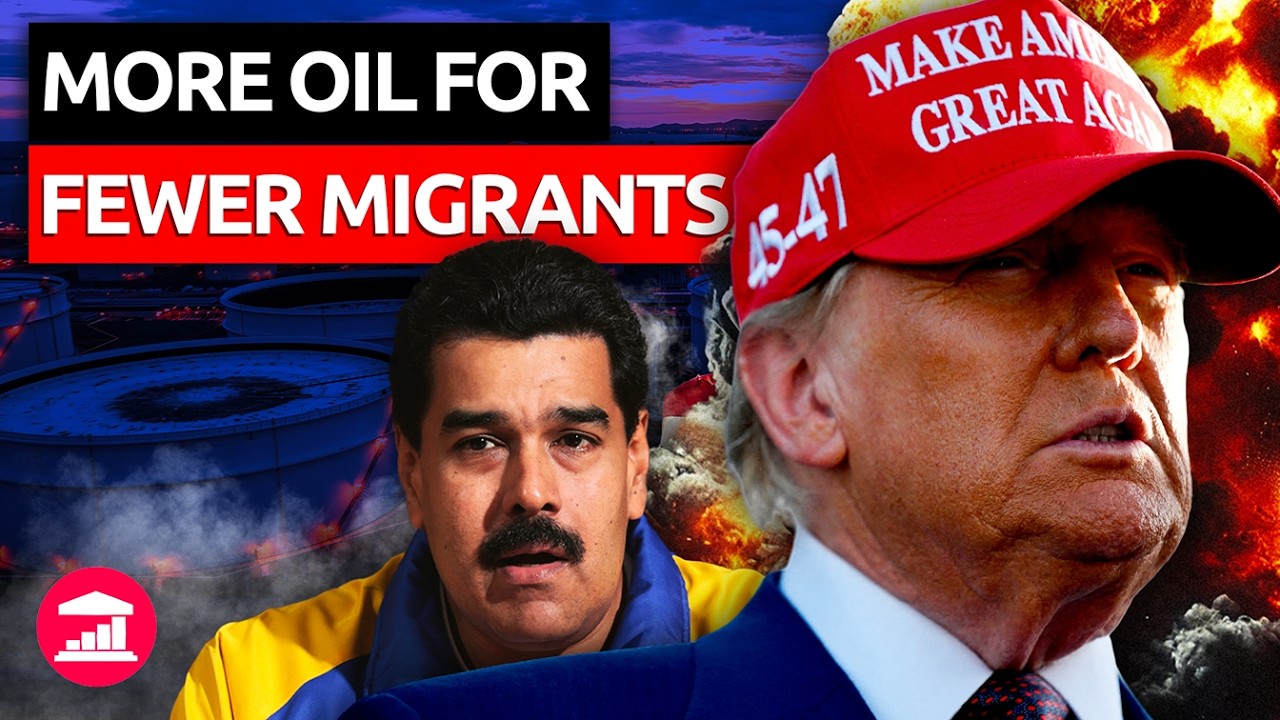
The first kinetic U.S. strike aimed at a suspected cartel vessel departing Venezuela has jolted the region and pushed Caracas onto a war-footing. In Washington, officials frame the action as a necessary escalation in a broader campaign against transnational crime. In Caracas, leaders denounce it as a pretext for intervention. Between these poles lies a volatile mix of military signaling, legal ambiguity, and the risk of miscalculation.
In the early hours of this week’s operation, a U.S. Navy asset destroyed a speedboat that American officials said was transporting narcotics and crewed by members of a violent gang with roots in Venezuela. The attack, which killed multiple occupants, marked a departure from the long-standing pattern of maritime interceptions and arrests in the Caribbean. It was a strike designed to deter—and to advertise a new threshold.
Inside the United States, the move sits within a sharper doctrine: treating major Latin American criminal organizations as terrorist entities and, when judged necessary, applying military force beyond U.S. borders. Recent designations and rhetoric have been used to justify an expanded toolset—sanctions, asset freezes, forward deployments, and, now, lethal action at sea. Critics warn that such steps outpace statutory authorities and established international law. Supporters counter that cartels operate as militarized networks and should be met accordingly.
In the days following the strike, senior officials signaled that more operations are on the table. Additional U.S. aircraft have moved into the Caribbean theater, and planners are weighing options that range from intensified maritime interdiction to potential strikes on cartel infrastructure. The visible buildup—paired with high-profile statements from the White House—aims to deter trafficking networks and pressure Caracas to curb their reach.
Venezuela has answered with its own show of force. President Nicolás Maduro ordered troop surges to coastal and border states identified as smuggling corridors, while defense chiefs pledged large-scale counter-narcotics operations under national command. The message is twofold: sovereignty will be defended, and Caracas—not Washington—will police Venezuela’s territory and adjacent waters. The moves underscore how quickly an anti-cartel push can harden into state-to-state confrontation.
The legal terrain remains unsettled. Absent a specific congressional authorization for the use of force against Venezuela, and without a U.N. mandate, scholars question the durability of a self-defense rationale for strikes beyond interdiction at sea. Even advocates of a tougher line acknowledge that expanding targets inland would raise qualitatively different questions about sovereignty and escalation. The administration’s rebranding of counter-drug policy with overt military framing has amplified these debates at home and abroad.
Markets and migration add further complexity. Any spiral that interrupts Venezuelan oil logistics, triggers new sanctions rounds, or heightens insecurity could reverberate across regional energy flows and displacement patterns. Neighboring states, wary of spillover violence and politicized migration surges, are urging restraint even as they cooperate on interdiction and financial tracking. Early diplomatic readouts suggest quiet shuttle efforts to prevent misreads at sea from becoming catalyst events.
For now, the strategic picture is clear enough. Washington has crossed a visible line with a highly publicized strike meant to reset cartel risk-reward calculations. Caracas has mobilized to signal resolve and control. Both sides are testing how far they can push without tipping into a broader clash. The coming weeks—defined by whether operations stay offshore, how each side messages its red lines, and whether third countries can shape rules of engagement—will determine if this “first strike” becomes an inflection point or an isolated warning shot.