RBGPF
2.5700

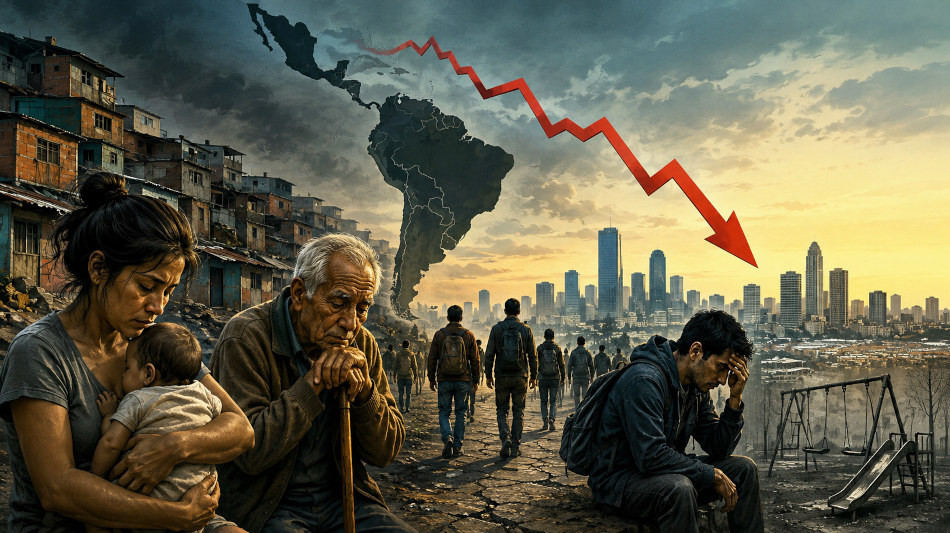
The phenomenon of demographic collapse, marked by a steep decline in population due to low birth rates and aging societies, is poised to become the gravest crisis humanity has ever encountered. While past generations feared the strain of overpopulation, today’s reality—a shrinking, graying populace—presents an unprecedented threat. This article examines why demographic collapse could eclipse all prior crises, delving into its economic, social, and global ramifications.
Economic Impacts
A plummeting birth rate, now below the replacement level of 2.1 children per woman in many nations, signals trouble for economies worldwide. With fewer young people entering the workforce, labor shortages loom large. Countries like Japan and Italy, where fertility rates hover around 1.4, are already witnessing population declines. This shrinking workforce stifles productivity and economic growth, as fewer workers generate less output and innovation. Simultaneously, an aging population swells the ranks of retirees, straining pension and healthcare systems. Governments face dwindling tax revenues, unable to sustain services like education or infrastructure, potentially sparking fiscal crises that force cuts to benefits or hikes in taxes—both risking public unrest.
Social Consequences
Beyond economics, demographic collapse reshapes societies. A dearth of youth threatens cultural vitality, as traditions and innovations depend on younger generations. Automation, often proposed as a fix for labor shortages, may instead displace workers in routine jobs, widening inequality. Those unable to adapt to a tech-driven world could be left behind, deepening social divides. Moreover, a shrinking population may erode community spirit, fostering isolation and a diminished sense of future purpose—a psychological burden that compounds the crisis.
Global Implications
On the world stage, demographic collapse could redraw power dynamics. Major economies like China, projected to see its population halve by century’s end, and Japan, already shrinking, may lose their geopolitical heft. Conversely, regions with youthful populations, such as sub-Saharan Africa, could rise in influence. Yet this shift brings challenges: Africa’s growing numbers demand vast investments in education and jobs to avoid unrest or migration pressures. As declining populations weaken global trade giants, the resulting instability could disrupt international markets and alliances, amplifying the crisis’s reach.
Final Conclusion
Demographic collapse stands as a silent, creeping catastrophe, its gradual onset masking its devastating potential. Its economic toll—labor shortages and strained systems—intertwines with social decay and global upheaval, threatening the foundations of modern life. Unlike wars or pandemics, this crisis offers no swift resolution, demanding urgent, forward-thinking action. Policies to boost birth rates, enhance immigration, and adapt to aging societies are essential to avert the worst. Without such measures, demographic collapse may well prove humanity’s most enduring and ruinous trial.