First severe bird flu case in US sparks alarm / Photo: © GETTY IMAGES NORTH AMERICA/AFP/File

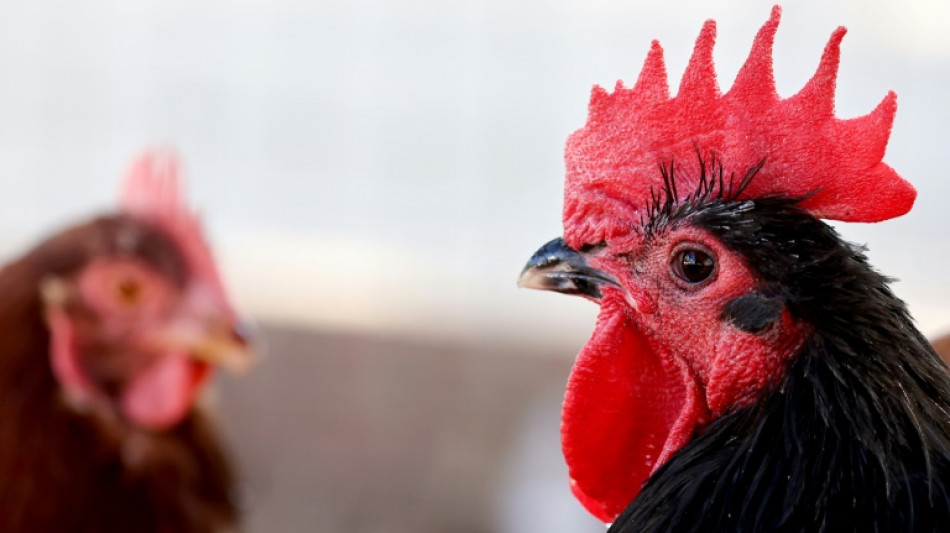
A patient in Louisiana has been hospitalized with a severe infection of avian influenza, authorities announced Wednesday, the first serious human case in the United States as fears grow of a possible bird flu pandemic.
The new case brings the total number of infections in the United States during the current 2024 outbreak to 61, with other patients experiencing mild symptoms they recovered from at home.
The severity of the Louisiana case has heightened alarm, echoing similar cases worldwide. Last month, a teenager in Canada was also hospitalized with a severe case of bird flu.
According to the US Centers for Disease Control and Prevention (CDC), the Louisiana patient was exposed to sick and dead birds in backyard flocks. However, no additional details, including the individual's prognosis, have been disclosed.
"Over the 20-plus years of global experience with this virus, H5 infection has previously been associated with severe illness in other countries, including illnesses that resulted in death in up to 50 percent of cases," Demetre Daskalakis, a senior CDC official told reporters on a call.
"The demonstrated potential for this virus to cause severe illness in people continues to highlight the importance of the joint... US federal response," he added.
The case was confirmed last Friday, according to the CDC. Genetic sequencing revealed that the H5N1 virus in the patient belonged to the D1.1 genotype.
This genotype has recently been detected in wild birds and poultry in the United States, and in human cases reported in Washington state and in the Canadian case, in British Columbia province.
The D1.1 genotype differs from the B3.13 genotype, which has been identified in dairy cows, some poultry outbreaks, and human cases with mild symptoms such as conjunctivitis.
A handful of US cases have had no known animal source of infection, including a case in Delaware, the CDC reported on Wednesday.
Health authorities, however, say there is still not enough evidence to suggest human-to-human transmission is occurring and that the overall risk to the general public remains low.
- Mounting concern -
Still, concerns are mounting among scientists and public health experts that the cases being detected represent only a fraction of the true prevalence.
Meg Schaeffer, an epidemiologist at the US-based SAS Institute, told AFP recently there were now several factors suggesting that "avian flu is knocking on our door and could start a new pandemic any day."
US cases have included a young child in California, reported last month. Authorities subsequently screened other children and caregivers at the child's daycare as a precautionary measure.
The current US outbreak of the flu -- technically the Highly Pathogenic Avian Influenza, or H5N1 bird flu -- was first reported in March in dairy cows.
The rising frequency and diversity of mammalian infections in recent years have heightened concerns about the virus' adaptability and its potential for cross-species transmission.
Compounding these concerns is the possible role of raw milk as a vector for transmission.
The US Department of Agriculture issued a new federal order requiring that raw milk samples be shared upon request from any dairy farm, milk transporter, or related facility.
The order also mandates that any samples testing positive for bird flu be reported to federal authorities.
Uncertainty looms over how the incoming administration of President-elect Donald Trump will address the outbreak.
Trump's pick for health secretary, vaccine skeptic and conspiracy theorist Robert F. Kennedy Jr., is a known proponent of raw milk, raising questions about the administration's stance on public health measures.
S.Jones--TFWP