SMX -- Good Intentions Don't Count; Measured Plastic Does

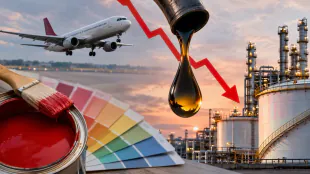
NEW YORK CITY, NY / ACCESS Newswire / November 4, 2026 / The economics of plastic have turned recycling from an act of corporate responsibility into a financial imperative. SMX sits at the center of that shift, providing the authentication and traceability technology that allows recycled plastic to function as a trusted industrial material. With war, volatile oil prices, inflation, supply-chain pressures, higher diesel and transportation costs, tariffs and the threat of plastic taxes driving up the expense of virgin production, using recycled material is increasingly about protecting margins and controlling costs, not simply protecting the planet.
That reversal is creating the Age of Parity: the point at which the economics of virgin and recycled plastic converge. The old assumption that producing new plastic is automatically the cheaper, easier option is being challenged, giving manufacturers an increasingly powerful financial reason to put recycled material to work.
The shift is also attracting media attention. Forbes, Miami Herald, TIME, Rolling Stone, the Chicago Tribune, and the Los Angeles Tribune, among other media, have covered SMX and the broader move toward authentication, traceability, recycled-content verification and provable material data. The coverage reflects a marketplace increasingly focused on a basic requirement for recycling to work at industrial scale: recycled material cannot rely on claims alone. It has to be proven.
The forces behind the Age of Parity are coming from nearly every direction. War and geopolitical instability have rattled energy markets and trade routes. Oil volatility affects the fossil-based feedstocks used to manufacture virgin plastic. Inflation has raised labor, energy and production expenses. Supply-chain pressures have made sourcing less predictable. Higher diesel prices increase the cost of moving materials and finished goods. Tariffs add expense at borders, while plastic taxes and new regulatory requirements threaten to make dependence on virgin material even more costly.
Those pressures matter because plastic sits virtually everywhere in the modern economy.
It protects food and medicine, packages household goods, moves through logistics and transportation, and is embedded in electronics, textiles and consumer products. It is part of the infrastructure of everyday life. The World Bank has warned about the enormous scale of the global waste challenge and the additional pressures being created by consumption, urbanization and rising material demand.
When the economics of plastic change, therefore, the impact does not stop with plastic manufacturers. It moves through packaging, transportation, manufacturing and retail before ultimately reaching consumers.
Virgin plastic is particularly exposed to that chain reaction.
Oil volatility can affect feedstock costs. Diesel inflation increases transportation expenses. Inflation raises production costs. Supply disruptions create scarcity and unpredictability. Tariffs and plastic taxes can add still more expense.
That changes the calculation surrounding recycled plastic.
For years, recycled material often had to justify itself through sustainability commitments. Companies accepted the additional effort because recycling was environmentally responsible, regulators encouraged it and consumers increasingly expected it.
The Age of Parity changes that rationale.
As the costs surrounding virgin production rise, recycled plastic gains an economic argument alongside the environmental one. It becomes another source of industrial material and a potential means of reducing exposure to some of the volatility associated with producing new plastic from fossil-based feedstocks.
But economics alone cannot make that transition happen at scale.
Manufacturers have to trust what they are buying.
A label saying "recycled" is not enough. Companies need to establish what material they are purchasing, where it originated, what it contains, how much recycled content is actually present and where it has traveled. Regulators need evidence. Procurement departments need reliable data. Brands need to substantiate claims. Auditors need records that can be followed and tested.
That is where SMX technology becomes critical.
SMX can embed an invisible, durable molecular marker directly into material and connect that physical material to a secure digital identity. That connection allows information including origin, composition, recycled content, chain of custody, lifecycle history and compliance status to remain connected to the material rather than exist separately as a claim about it.
SMX addresses that challenge through molecular marking, instant authentication, blockchain-backed digital records, Digital Material Passports, provenance tracking, chain-of-custody verification, recycled-content certification, lifecycle monitoring, audit-ready compliance and data-backed recycling validation.
Together, those capabilities can give recycled plastic something it has historically lacked at scale: a persistent, provable identity.
Without certification, recycled material remains vulnerable to inconsistent documentation, uncertain provenance, mistrust and pricing discrepancies. With authentication, it can become a more dependable industrial input capable of moving through supply chains with evidence attached.
That distinction is becoming more valuable as the economics of virgin production become less predictable.
War can disrupt energy and trade. Oil prices can change rapidly. Inflation can raise costs throughout the manufacturing process. Supply chains can be interrupted. Transportation costs can surge. Tariffs can alter sourcing economics. Governments can impose new costs on virgin plastic.
Recycled material offers manufacturers another option, but only if they can establish what they are getting.
That is why proof is central to the Age of Parity.
For decades, the economic advantage generally belonged to making new plastic. Recycling therefore had to be justified largely through environmental responsibility, corporate commitments and consumer expectations.
That advantage can no longer be taken for granted.
As virgin and recycled plastic move toward greater economic parity, manufacturers gain a reason to recycle that has nothing to do with making a sustainability statement.
Cost.
Verified recycled plastic can become part of the cost-control infrastructure of modern manufacturing, giving companies access to another source of material while reducing dependence on an economic model tied entirely to virgin production.
That is the fundamental shift.
The environmental case for recycling has not disappeared. It no longer has to carry the entire argument.
War, oil volatility, inflation, supply-chain pressure and rising production costs are making the economic case alongside it.
Recycling is no longer something companies do as a favor to the planet.
It is becoming something they do because the economics demand it.
It is an economic must.
About SMX
SMX (Security Matters) PLC (NASDAQ:SMX)(NASDAQ:SMXWW) provides technology for molecular marking, authentication, traceability, and digital material identity. The company's platform connects physical materials to secure digital records, enabling verification of origin, composition, chain of custody, lifecycle history, recycled content, and compliance across global supply chains.
Contact: Billy White / [email protected]
SOURCE: SMX (Security Matters) Public Limited
View the original press release on ACCESS Newswire
S.Weaver--TFWP