
Connecticut Researcher Calls for National Reassessment of America's Earliest Federal Diplomatic Artifacts Ahead of the Nation's 250th Anniversary

MILFORD, CT / ACCESS Newswire / June 29, 2026 / As the United States marks the 250th anniversary of its founding, Connecticut historical researcher and collector Gary Gianotti is asking historians, museums, scientists, and Native American scholars to take a fresh look at two George Washington Indian Peace Medals that have become the focus of more than three decades of interdisciplinary research.
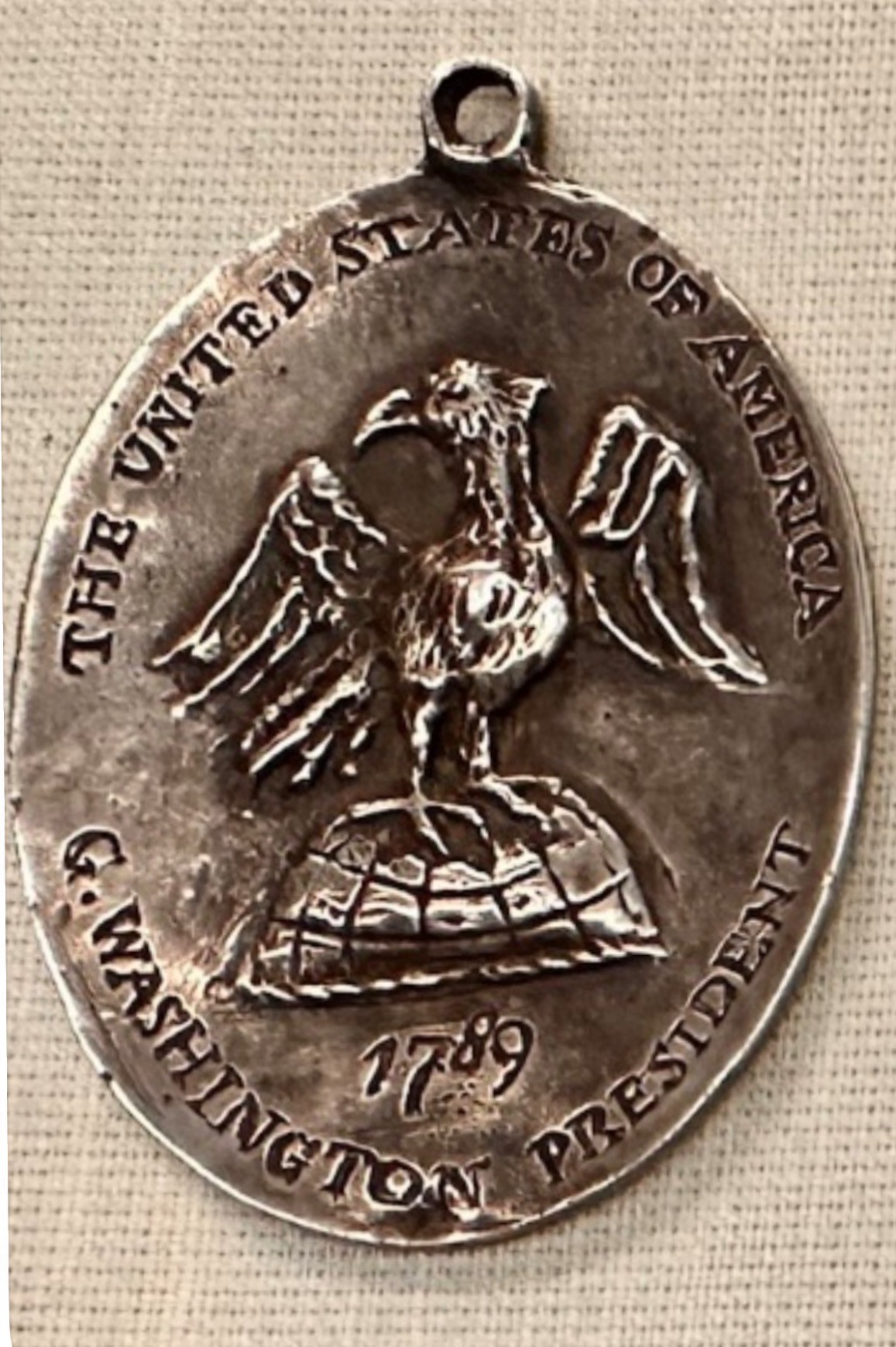
At the center of Gianotti's work are forensic scientific testing and barely surviving historical records that identify a 1789 silver medallion as what may be the very first federally authorized sovereign art artifact, along with an official 1792 George Washington Indian Peace Medal attributed as the earliest surviving scientific artwork by United States Mint first engraver Joseph Wright. Through archival research, scientific examination, historical analysis, and collaboration with independent specialists, Gianotti has developed a research framework that presents evidence which may expand understanding of early American diplomacy, federal symbolism, and artistic innovation during the nation's transition into the Federal Government.
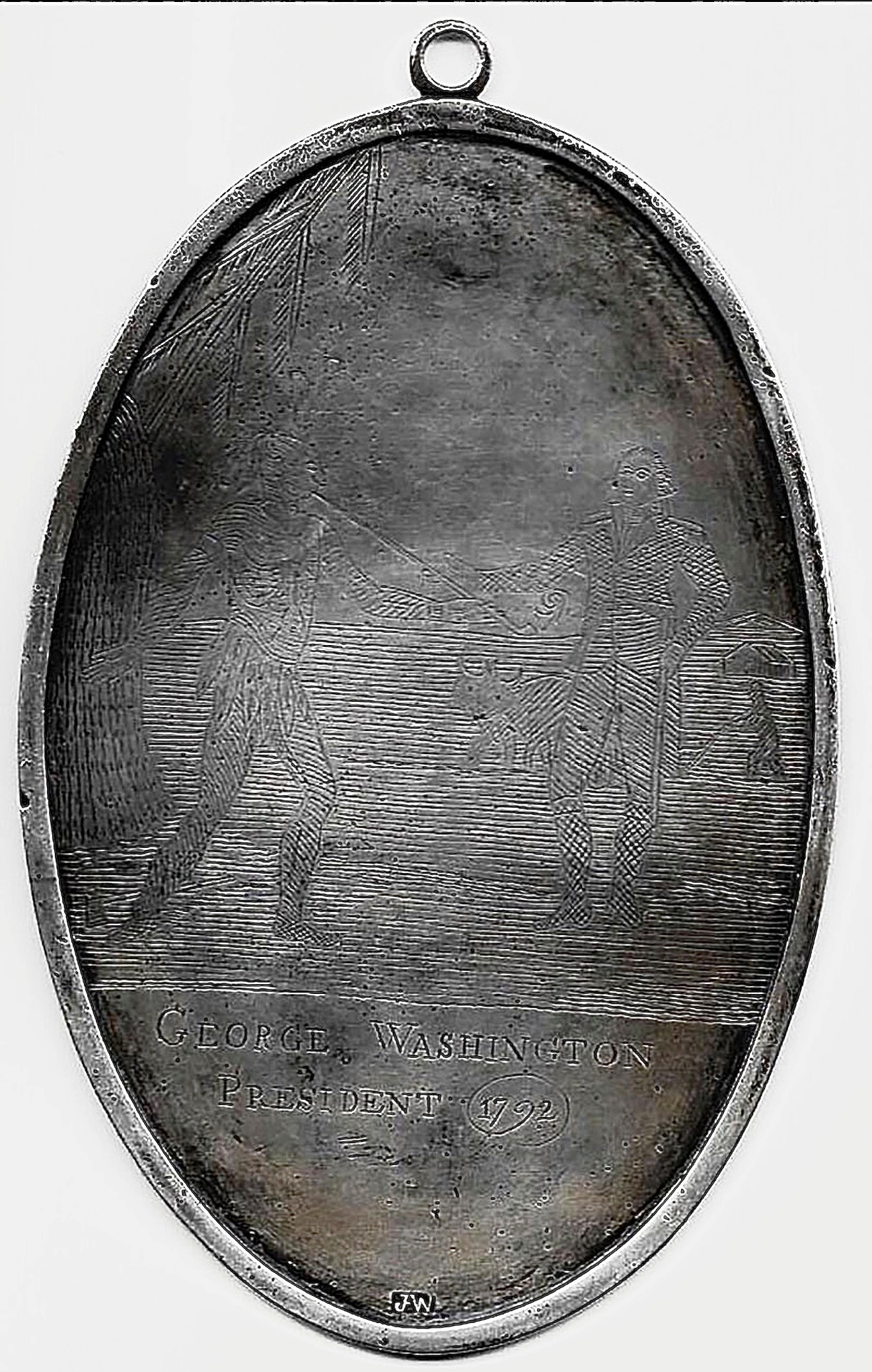
Unlike many historical artifacts remembered primarily as collectibles, Indian Peace Medals served a diplomatic purpose. They were presented by the United States to Native leaders as diplomatic peace treaty medals that symbolized alliance, recognition, and federal authority during a period when the survival of the young Republic depended as much upon diplomacy as military strength despite limited resources and finances.
Gianotti's evidence and forensic reports present what he believes is a different untold history, suggesting these medals should be understood not only as diplomatic objects but also as sophisticated works of federal art that have been overlooked in plain sight. His research proposes that their engraved imagery, symbolism, and optical effects were intentionally designed to produce a visual physiological effect that American Indian chiefs may have interpreted as evidence that the Founding Fathers possessed extraordinary or even magical powers. Through these illusionary artistic effects, George Washington may have appeared to possess an authority, permanence, and national identity that transcended cultural boundaries. Gianotti believes these artistic features deserve renewed scholarly examination using modern forensic technology, which he believes documents optical illusion experimentation immediately preceding the creation of these medallions and other surviving works.
Over the past several years, the medals have undergone scientific examination by respected laboratories and specialists in materials analysis and historic silver craftsmanship authentication. Metallurgical testing, microscopic analysis, photographic documentation, and technical evaluation have been conducted to study the medals' manufacture and preservation. Additional independent appraisal work is currently underway for insurance purposes to establish professionally supported market values.
For Gianotti, however, financial value is secondary to historical importance.
He believes the evidence collected through decades of research identifies the medals in his collection among the most historically significant examples of early American sovereign art yet studied and physically surviving. While he recognizes that many of his interpretations invite continued scholarly debate, he hopes the scientific documentation will encourage historians and institutions to independently investigate the earliest surviving Peace Medal artifacts preserved in museums before drawing conclusions regarding his finalized documentation and signed scientific reports of authenticity.
One of the most distinctive aspects of Gianotti's research concerns the relationship between art and diplomacy. He proposes that the medals were designed to operate on multiple levels: as official diplomatic gifts, as masterpieces of engraved federal craftsmanship, and as carefully constructed visual symbols intended to strengthen relationships between the United States government and Native nations during a politically uncertain era. He further proposes that the optical illusion artwork may have created powerful impressions that caused some tribal leaders to believe the Americans possessed extraordinary powers, thereby strengthening diplomacy and discouraging conflict.
According to Gianotti, if these interpretations are supported through future scholarship, together with additional medals and related artifacts already identified, the medals may illustrate how artistic excellence and symbolic communication became instruments of diplomacy during the earliest years of the American Republic. Rather than serving merely as ceremonial decorations, they may represent deliberate attempts to express the authority and legitimacy of the new federal government through exceptional craftsmanship, hidden writing, and artistic information that make them sovereign documents comparable to historical time capsules awaiting further study.
His research also explores documented connections between the medals and the scientific world of David Rittenhouse, the first Director of the United States Mint, whose interests in astronomy, optics, precision instruments, and engraving helped shape early American science. Gianotti proposes that this illusionary artwork may have served as a diplomatic tool intended to discourage war with Indigenous nations while incorporating advanced engraving methods that also contributed to early anti-counterfeiting technology. He believes these connections deserve additional interdisciplinary investigation involving historians of science, conservators, engravers, optical specialists, and museum professionals.
As interest grows in historically significant cultural assets, the collection is also receiving attention from professional appraisers and insurance specialists. Final valuations have not yet been completed, but Gianotti believes the combination of documented research, scientific examination, rarity, and historical context may ultimately place the medals among the most important privately held examples of early Federal Government sovereign and diplomatic artwork surviving today. He further notes that after the deaths of the principal artists in 1793, 1794, and 1796, the collaborative artistic tradition represented by these medals declined and, in his view, has never been successfully reproduced.
The approaching Semiquincentennial offers what Gianotti views as a unique opportunity to revisit overlooked chapters of the nation's founding. Advances in forensic science, microscopy, spectroscopy, and high-resolution imaging now allow researchers to examine historic objects in ways unimaginable only a generation ago.
"My goal has never been simply to own rare artifacts," Gianotti said. "My goal is to preserve history, encourage independent scientific study, and contribute something meaningful to America's 250th anniversary. If these medals inspire historians, scientists, Native scholars, and museums to ask new questions about our nation's earliest diplomacy and artistic achievements, then the research has accomplished its purpose."
Whether every conclusion ultimately withstands scholarly review or leads to new interpretations, Gianotti hopes his work will encourage open academic collaboration. He believes the medals represent an opportunity to unite history, science, conservation, and art in a shared effort to better understand the remarkable creativity and diplomacy that helped shape the earliest years of the United States. Gianotti further asserts that documented evidence suggests the optical science embedded within these medals may have played a previously unrecognized role in early diplomacy, with their illusionary artistic qualities perceived as powerful-or even mystical-by Native observers, potentially helping to delay conflict and buy critical time for the fragile new federal government before larger conflicts with Indigenous nations became inevitable. He believes these diplomatic medals and their illusionary artwork represent an untold chapter of American history that may have contributed to preserving the birth of the Federal Government and the survival of the new nation, a subject he believes deserves renewed scientific and historical investigation.
Media Contact: Gary Gianotti
Email: [email protected]
Web: Home - American Relic Hysteries
SOURCE: American Historic Relics & Art
View the original press release on ACCESS Newswire
L.Coleman--TFWP