Heritage Crafts in Arizona: A Guide to Learning Traditional Pottery, Leatherworking, and Textile Arts

Arizona offers a diverse array of opportunities for residents to learn traditional heritage crafts, ranging from Indigenous pottery and weaving to leatherworking and woodworking. From nonprofit studios in Flagstaff to specialized schools in Phoenix and Tucson, these programs preserve cultural techniques while providing practical skills for creating functional art and one-of-a-kind gifts.
A growing movement across the United States is revitalizing heritage crafts as a means to unwind and acquire traditional skills passed down through generations. In Arizona, these practices serve as an antidote to consumerism, offering participants the ability to create useful items and unique gifts while preserving cultural identity and history.
Arizona’s heritage crafts encompass a wide spectrum of disciplines, including Indigenous weaving and pottery, adobe brickmaking, woodworking, sewing, knitting, and blacksmithing. While many traditions are rooted in Indigenous and Mexican cultures, homesteading skills from the ranching and pioneer eras also qualify as heritage crafts. These activities allow individuals to create clothing, blankets, furniture, and decorative art using materials such as clay, wood, leather, and textiles.
For those interested in textile arts, several organizations across the state provide instruction in sewing, weaving, knitting, and quilting. In Flagstaff, Threaded Together is a nonprofit that offers classes, workshops, and private lessons on sewing basics. Open to all ages, the organization also hosts weekly pay-what-you-can studio sessions on Wednesdays, utilizing donated materials to allow newcomers to try their hand at threading a needle before committing to the craft.
In Prescott, Fiber Creek operates as both a fiber arts supply store and an educational hub. The shop is owned by a weaver with more than 70 years of experience and offers a knitting circle on Wednesdays and Fridays, along with seasonal classes and private lessons. It stocks materials for knitting, crocheting, weaving, spinning, felting, lacemaking, and kumihimo, serving as a central resource for honing traditional textile skills in the area.
The Copper Needle, focused on quilting and sewing, is led by Gina Perkes, an award-winning quilter who has appeared on television and developed quilting products. The shop offers a large selection of classes catering to a diverse audience. Similarly, Grandma’s Spinning Wheel provides beginning rigid-heddle weaving, Navajo weaving workshops, spinning, felting, and natural dyeing classes. These offerings explore textile techniques with deep roots in the Southwest.
In Tucson, prospective students are advised to call ahead to confirm dates for classes at local fiber arts providers, as schedules can be sporadic. Meanwhile, Tempe Yarn & Fiber, located near Arizona State University, offers a versatile range of classes including knitting, weaving, spinning, embroidery, felting, punch needle, inkle-loom weaving, and beginning sashiko. The shop is accessible to people of different ages and experience levels.
Ceramics instruction in Arizona ranges from general studio techniques to specific Indigenous pottery traditions. The Phoenix Center for the Arts offers beginner and advanced ceramics instruction, including wheel throwing, hand-building, and open-studio sessions. It serves as a foundational starting point for those wishing to learn the basics of working with clay before attempting specialized techniques. The center also provides classes in dance, glassblowing, jewelry making, painting, and photography.
For those interested in Indigenous pottery traditions, Tohono O’odham potter Kathleen Vance teaches participants to form traditional vessels using locally gathered natural white clay, hand-rolled coils, and the paddle-and-anvil method. Participants create their own pot from provided clay and receive instructions for drying or firing it at home. A one-time workshop is scheduled for November 12, 2026, with similar offerings expected in the future.
The Clay Center offers beginner-friendly courses in wheel throwing and hand-building, including pinch pots, coils, and slab construction. It also provides short, project-based workshops and summer camps for youth, allowing students to explore clay work over varying timeframes. Ben Roti Ceramics, a private studio, offers private wheel-throwing lessons, introductory courses, and adults-only “Sip & Spin” workshops. Reservations are required at this artist-led alternative to community arts centers.
Woodworking in Arizona provides practical skills for creating functional art and furniture that can be passed down through generations. The Southwest School of Woodworking offers hands-on instruction ranging from introductory fundamentals to cabinetry and pen making. Courses vary in price from a few hundred to a few thousand dollars, depending on the class, and include instruction, guidance, and the necessary materials and machinery.
The Southwest Woodcarvers Association is a community group that has met since 1983, welcoming people of all skill levels to practice carving and share techniques. Membership starts at $20 annually, with meetings held throughout the state, particularly in Southern Arizona. The association caters to beginners, masters, and those in between.
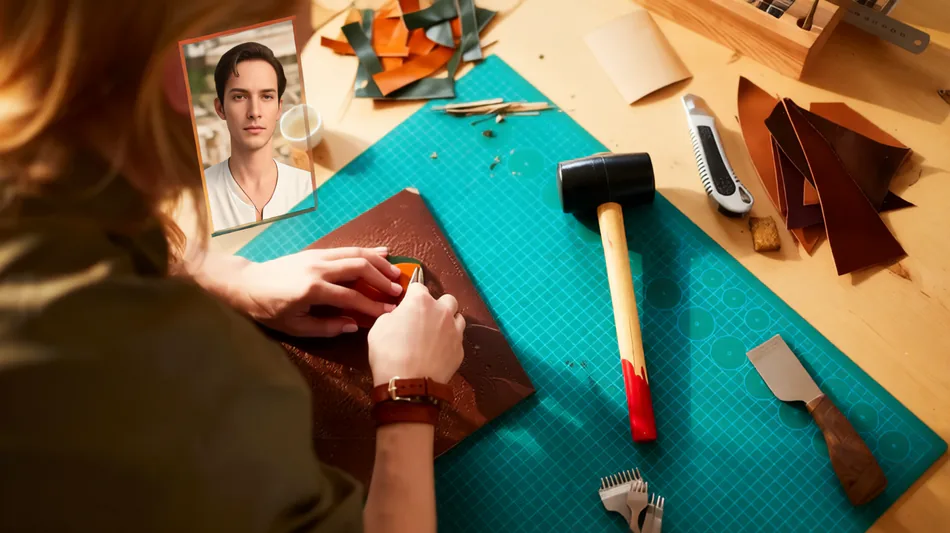
Leatherworking, a craft with roots stretching back thousands of years in Arizona’s ranching history, is taught through various clubs and schools. The SCW Leather Carvers Club offers classes in carving, sewing, airbrushing, and other customization techniques from December through April. Membership costs $40 annually and includes class materials, but participants must live in Sun City West or be related to a member.
The Mesa Arts Center offers a seven-week leatherworking course starting in January 2027, taught by Sandra Knudson. The course covers pattern design, cutting, saddle stitching, tooling, stamping, and finishing. Tandy Leather operates locations in Phoenix and Tucson, inviting crafters to learn tooling, stitching, painting, dyeing, edge finishing, and tool care. The store also provides kits for home practice and offers online tutorials.
Beyond specialized shops and schools, local community colleges and libraries often offer free or low-cost workshops on gardening, canning, seed saving, and pottery throwing. These resources provide additional avenues for learning heritage crafts and homesteading skills, allowing participants to preserve techniques that might otherwise disappear while building connections with their communities.
X.Silva--TFWP