Climate change cooks up Japanese 'cabbage shock' / Photo: © AFP

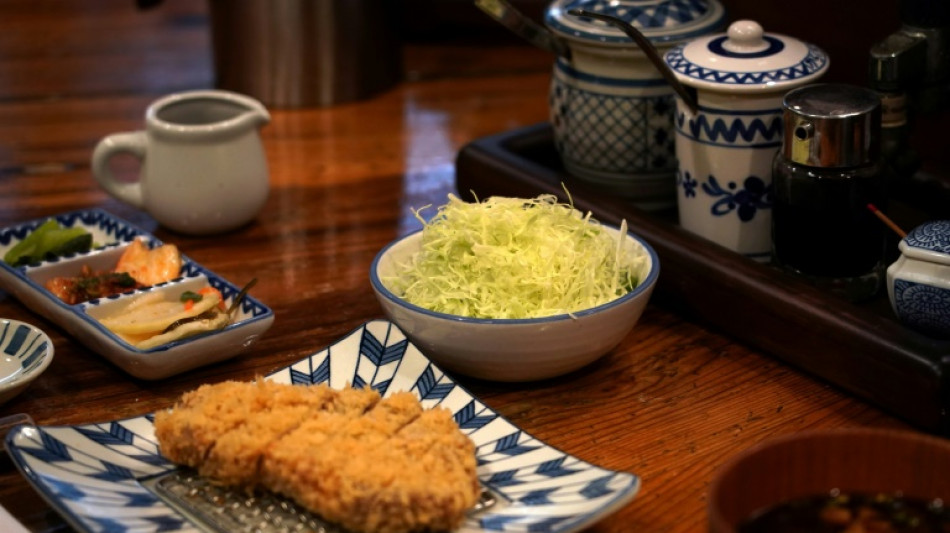
Japan's much-loved "tonkatsu" pork cutlets come with a mound of freshly shredded cabbage, but a surge in the price of the humble vegetable has prompted chef Katsumi Shinagawa to skimp on servings.
The culprit is a changing climate. Last year's record summer heat and heavy rain ruined crops, driving up the cost of the leafy green in what media have dubbed a "cabbage shock".
It is the latest pain point for shoppers and eateries already squeezed by inflation, with energy bills up along with the price of staples from rice to flour and cooking oil.
Shinagawa's Tokyo restaurant Katsukichi offers free cabbage refills alongside its juicy, deep-fried cutlets -- a common practice with tonkatsu, a national comfort food.
But with cabbage now over three times more expensive than usual, according to the agriculture ministry, the restaurant has had to make each serving slightly smaller.
"I was ready to cope when the price of flour started rising, but not cabbage," Shinagawa told AFP, explaining that "tonkatsu and cabbage are like inseparable friends".
"Cabbages sold at supermarkets are now mind-blowingly expensive," he added. "Half-sized ones used to be around 100 yen ($0.60) per head, but they are now like 400 yen."
It has become a hot topic on social media, with many users aghast after a head of cabbage was recently given an eye-popping price tag of 1,000 yen at a supermarket in the Hyogo region.
"I never imagined cabbage would ever become so expensive that it's basically a delicacy," one user lamented on X.
- Extreme heat -
Climate change has made extreme weather more frequent and heatwaves more intense worldwide.
Last year Japan sweltered through its joint hottest summer since records began, followed by its warmest autumn.
"It was so hot that some cabbages were seared to death. The heat dehydrated them and made them wither," said Morihisa Suzuki from a federation of agricultural cooperatives in Aichi, one of Japan's largest cabbage-growing regions.
Days of intense localised rain, then a prolonged dry period with little sunshine have made things worse.
As a result, farmers in Aichi are grappling with yields an estimated 30 percent lower than usual, the groupsays.
Neighbouring South Korea -- where a different variety of cabbage is fermented to make the all-important side dish kimchi -- has also suffered.
Government data shows that in mid-January, cabbage prices soared 75 percent there compared to the same period last year.
Shin Mi-ja, a shopkeeper in Seoul, told AFP that cabbage prices were high "because of the heatwave and heavy rains".
"Overall prices for vegetables have risen, so people don't really want to buy" cabbage, even with the Lunar New Year holiday approaching, she said.
- Inflation -
In Japan, the heat has also made lettuce, green onion and "daikon" radish more expensive at the checkout.
And rice prices are soaring after harvests were hit by high temperatures and water shortages.
Official inflation data released Friday showed that the grain jumped a whopping 64.5 percent in December year-on-year.
Overall consumer prices were up 3.6 percent, or 3.0 percent when adjusted for food prices. The Bank of Japan was expected to raise interest rates later Friday.
Meanwhile bird flu outbreaks have created supply shortages for eggs, pushing up their price too.
The weak yen as well as labour shortages and rising transport costs have also created a perfect storm for Japanese restaurants.
Japan saw a record 894 restaurant bankruptcies last year due to inflation, the cheaper yen and the end of pandemic-era government subsidies, according to research firm Teikoku Databank.
Teikoku expects price rises in 2025 for around 6,000 food items, from bread to beer and noodles.
And convenience chain 7-Eleven said this week it would raise prices nationwide for onigiri rice balls, sushi and other rice-based items.
Chef Shinagawa does not want to pass on the price increases to his customers, however.
For now, "we're persevering," he said.
T.Mason--TFWP