The Fort Worth Press - WWF urges end to deadlock on new Antarctic reserves

USD -
AED 3.672497
AFN 63.999524
ALL 82.817919
AMD 366.961185
ANG 1.790403
AOA 917.497554
ARS 1477.267299
AUD 1.449191
AWG 1.8
AZN 1.696986
BAM 1.719513
BBD 2.008994
BDT 122.690487
BGN 1.69088
BHD 0.376994
BIF 2980
BMD 1
BND 1.294146
BOB 6.89258
BRL 5.195598
BSD 0.997508
BTN 94.112631
BWP 13.611387
BYN 2.838756
BYR 19600
BZD 2.006181
CAD 1.419985
CDF 2270.000283
CHF 0.810703
CLF 0.023384
CLP 920.330506
CNY 6.790502
CNH 6.80177
COP 3447.54
CRC 454.001969
CUC 1
CUP 26.5
CVE 96.940099
CZK 21.3531
DJF 177.630075
DKK 6.578008
DOP 58.781123
DZD 133.470173
EGP 49.515902
ERN 15
ETB 158.649893
EUR 0.880105
FJD 2.266098
FKP 0.75995
GBP 0.758084
GEL 2.639591
GGP 0.75995
GHS 11.218905
GIP 0.75995
GMD 72.500239
GNF 8740.757673
GTQ 7.610005
GYD 208.702762
HKD 7.84025
HNL 26.719736
HRK 6.630401
HTG 130.371712
HUF 311.630501
IDR 18028
ILS 2.982925
IMP 0.75995
INR 94.40065
IQD 1310
IRR 1375049.999969
ISK 126.720221
JEP 0.75995
JMD 157.214761
JOD 0.70901
JPY 161.818503
KES 129.529911
KGS 87.449853
KHR 4010.000098
KMF 434.000376
KPW 900.00035
KRW 1546.390241
KWD 0.30965
KYD 0.831256
KZT 483.438614
LAK 22065.000185
LBP 89328.533059
LKR 336.16866
LRD 181.540044
LSL 16.590003
LTL 2.95274
LVL 0.60489
LYD 6.405725
MAD 9.415504
MDL 17.705627
MGA 4252.569389
MKD 54.235871
MMK 2099.534862
MNT 3583.823146
MOP 8.055405
MRU 40.070268
MUR 48.190044
MVR 15.45039
MWK 1737.000108
MXN 17.507199
MYR 4.120437
MZN 63.894772
NAD 16.590323
NGN 1375.170414
NIO 36.609801
NOK 9.872751
NPR 150.579371
NZD 1.771805
OMR 0.384506
PAB 0.99749
PEN 3.422009
PGK 4.377508
PHP 61.366498
PKR 277.594113
PLN 3.77064
PYG 6095.373741
QAR 3.644976
RON 4.605495
RSD 103.32795
RUB 75.200986
RWF 1465.854892
SAR 3.75501
SBD 8.051953
SCR 13.24174
SDG 599.99957
SEK 9.742976
SGD 1.296825
SHP 0.746601
SLE 24.799045
SLL 20969.503664
SOS 570.059564
SRD 37.319711
STD 20697.981008
STN 21.540261
SVC 8.728411
SYP 110.532098
SZL 16.516625
THB 33.377502
TJS 9.221714
TMT 3.5
TND 2.937503
TOP 2.40776
TRY 46.601903
TTD 6.774893
TWD 31.861403
TZS 2618.936022
UAH 44.85287
UGX 3690.695456
UYU 40.019342
UZS 11982.22316
VES 620.752985
VND 26320
VUV 119.820737
WST 2.777776
XAF 576.690844
XAG 0.017376
XAU 0.000249
XCD 2.70255
XCG 1.797729
XDR 0.717231
XOF 576.698449
XPF 104.849947
YER 238.624978
ZAR 16.50045
ZMK 9001.200752
ZMW 18.004545
ZWL 321.999592
  • RBGPF

    0.0000

    61.3

    0%

  • CMSC

    -0.0190

    22.046

    -0.09%

  • RYCEF

    -0.1600

    18

    -0.89%

  • CMSD

    -0.0900

    21.93

    -0.41%

  • GSK

    0.8000

    51.89

    +1.54%

  • NGG

    0.5900

    83.42

    +0.71%

  • RELX

    -0.2300

    30.92

    -0.74%

  • BCC

    2.1000

    79.76

    +2.63%

  • BCE

    0.0000

    23.2

    0%

  • AZN

    2.6600

    185.68

    +1.43%

  • JRI

    0.0100

    12.58

    +0.08%

  • RIO

    1.0800

    95.11

    +1.14%

  • BTI

    1.0900

    62.48

    +1.74%

  • BP

    -0.1400

    37.72

    -0.37%

  • VOD

    0.0500

    13.86

    +0.36%

WWF urges end to deadlock on new Antarctic reserves
WWF urges end to deadlock on new Antarctic reserves / Photo: © GETTY IMAGES NORTH AMERICA/AFP/File

WWF urges end to deadlock on new Antarctic reserves

Members of a multinational group on Antarctic conservation must end a years-long deadlock and agree on new marine reserves in the region as sea-ice shrinks to record lows, the WWF urged Wednesday.

Text size:

The Commission for the Conservation of Antarctic Marine Living Resources begins a fortnight of meetings in Australia next week, with the creation of three new protected marine areas once again on the table.

The areas were first proposed in 2010, before being scaled down in 2017, in an attempt to win more support.

But their creation has persistently been blocked by China and Russia, including most recently at the commission's June meeting in Chile.

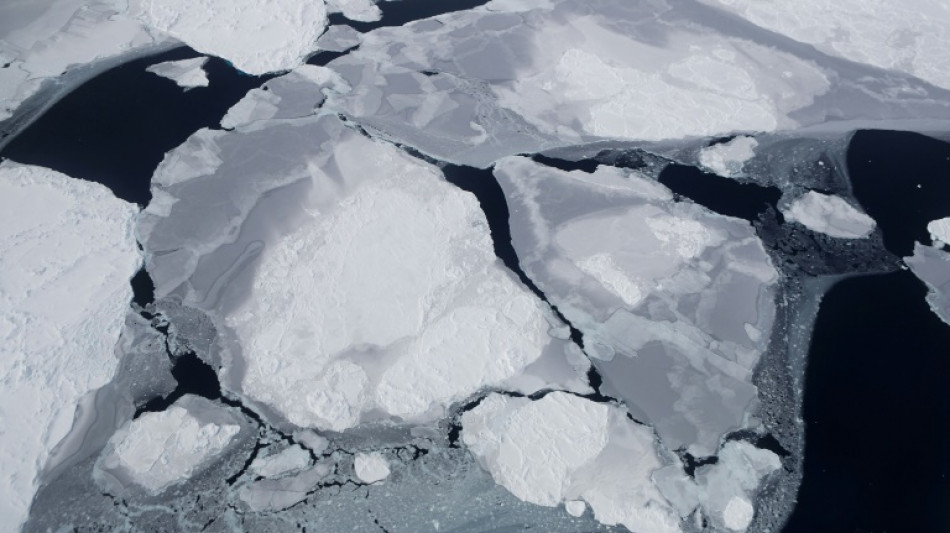
Environmental NGO WWF called Wednesday for the commission to finally act, given the record low levels of sea-ice in the region and evidence of "mass deaths of vulnerable species."

The protected areas "would limit human activity, particularly fishing, in the critical habitats these species need to recover and develop resilience to a changing environment," said Emily Grilly, WWF Antarctic conservation manager.

"We can't stop all the effects of climate change in the short term, but we can take the pressure off in other ways."

The bid to create the sanctuaries around Antarctica would safeguard nearly four million square kilometres (1.5 million square miles) of ocean from human activities.

It would be the largest act of ocean protection in history, WWF said.

But there has historically been little appetite for the project from Beijing and Moscow, who have expressed concerns about compliance issues and fishing rights.

Last month, sea ice around Antarctica hit its lowest winter levels since records began 45 years ago, the US National Snow and Ice Data Center said.

The measurement was preliminary, as continued winter conditions could cause additional ice formation, but it correlates with a trend of declining ice seen since August 2016.

There is debate among scientists over the cause of the shift, with some reluctant to establish a formal link with global warming.

Climate models have struggled in the past to predict changes in the Antarctic ice pack.

The effect on wildlife in the region is already clear, however, with scientists in August reporting a "catastrophic breeding failure" of emperor penguins as sea ice gave way beneath fledgling chicks.

Thousands of baby penguins are believed to have died, with all but one of five sites monitored by scientists experiencing 100 percent loss.

S.Palmer--TFWP