BTI
0.5000

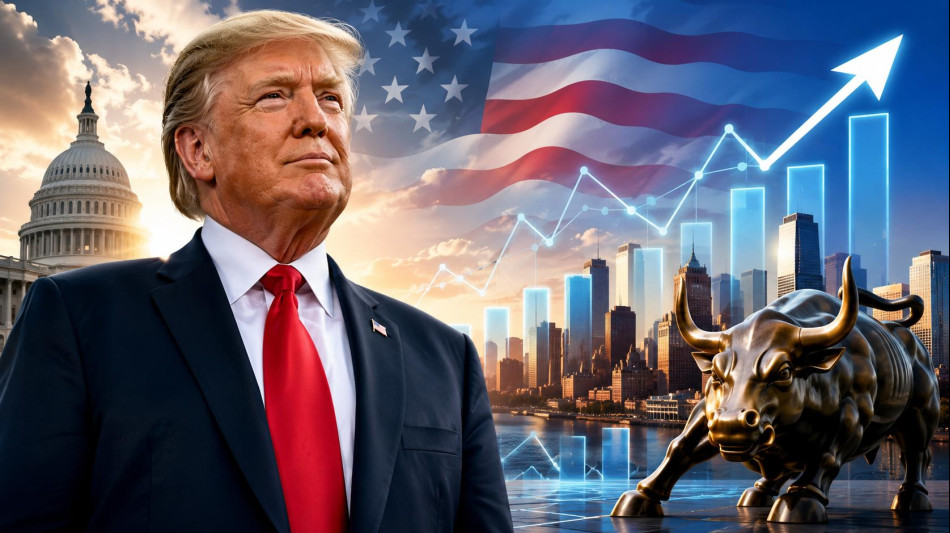
The prospect of Donald Trump returning to the Oval Office as the 47th President of the United States presents the European Union (EU) with a complex array of challenges and considerations. A renewed Trump presidency could significantly alter the transatlantic relationship, impacting economic ties and security cooperation. It is imperative for the EU to proactively assess its strategies to navigate this potential shift in U.S. foreign policy.
Recalibrating Diplomatic Engagement
Under President Trump's previous tenure, the transatlantic alliance experienced strains over issues such as trade tariffs, NATO funding, and differing approaches to global agreements like the Paris Climate Accord and the Iran Nuclear Deal. The EU should prepare for a diplomatic landscape where unilateral U.S. decisions might resurface. Strengthening intra-EU cohesion and presenting a unified front in negotiations could enhance the bloc's ability to manage disagreements effectively.
Economic Implications and Trade Policies
A Trump administration may revisit protectionist trade policies, potentially reinstating tariffs on European goods. The EU should consider:
- Diversifying Trade Partnerships: Reducing reliance on the U.S. market by expanding trade agreements with other global partners could mitigate economic risks.
- Enhancing Internal Markets: Strengthening the Single Market can bolster the EU's economic resilience against external shocks.
- Negotiating Trade Terms: Proactive engagement with U.S. counterparts to find mutually beneficial trade arrangements may prevent escalations.
Security and Defense Considerations
Trump's previous criticisms of NATO and demands for increased defense spending from European allies could resurface. The EU might need to:
- Boost Defense Capabilities: Investing in European defense initiatives can reduce dependency on U.S. military support.
- Promote Strategic Autonomy: Developing independent security strategies allows the EU to respond to global threats more effectively.
- Maintain Open Channels: Continuous dialogue with U.S. defense officials is crucial to preserve cooperation on shared security interests.
Climate Change and Environmental Policies
Given Trump's past withdrawal from the Paris Climate Accord, environmental collaboration may face challenges. The EU should:
- Lead Global Efforts: Continue to champion climate initiatives on the international stage, encouraging other nations to commit to environmental goals.
- Engage in Dialogue: Seek common ground with the U.S. on specific environmental issues where cooperation is possible.
Addressing Global Governance and Multilateralism
A shift towards unilateralism in U.S. foreign policy could undermine multilateral institutions. The EU can:
- Support International Organizations: Reinforce commitment to the United Nations, World Trade Organization, and other bodies to uphold global governance structures.
- Forge Alliances: Collaborate with like-minded countries to promote a rules-based international order.
Mitigating Risks of Geopolitical Tensions
Potential policy divergences on relations with countries like China, Russia, and Iran require careful navigation. The EU should:
- Develop Cohesive Foreign Policies: Align member states on key foreign policy positions to present a united stance.
- Engage in Strategic Dialogue: Maintain open communications with the U.S. to manage disagreements and prevent escalations.
Conclusion
A potential second Trump presidency necessitates that the European Union reassesses its approach to transatlantic relations. By prioritizing unity, enhancing strategic autonomy, and engaging in proactive diplomacy, the EU can mitigate potential economic and security risks. Preparing for various scenarios ensures that the EU remains resilient and capable of upholding its interests on the global stage.