RBGPF
1.3300

The ongoing mass protests in Iran since the end of December 2025 have plunged the country into one of its most serious crises since the 1979 revolution. Despite a strict internet and telephone blackout, millions of people took to the streets to demonstrate against inflation, corruption and the arbitrariness of the spiritual rulers. Security forces cracked down brutally: according to reports from human rights organisations, thousands of demonstrators were killed, hundreds of bodies piled up in makeshift morgues, and doctors reported overcrowded emergency rooms. In addition, more than ten thousand people were arrested, while the state largely cut off the country from the internet to hide the enormity of its actions. The anger of the population was no longer directed at individual reforms, but at the entire system of the Islamic Republic.
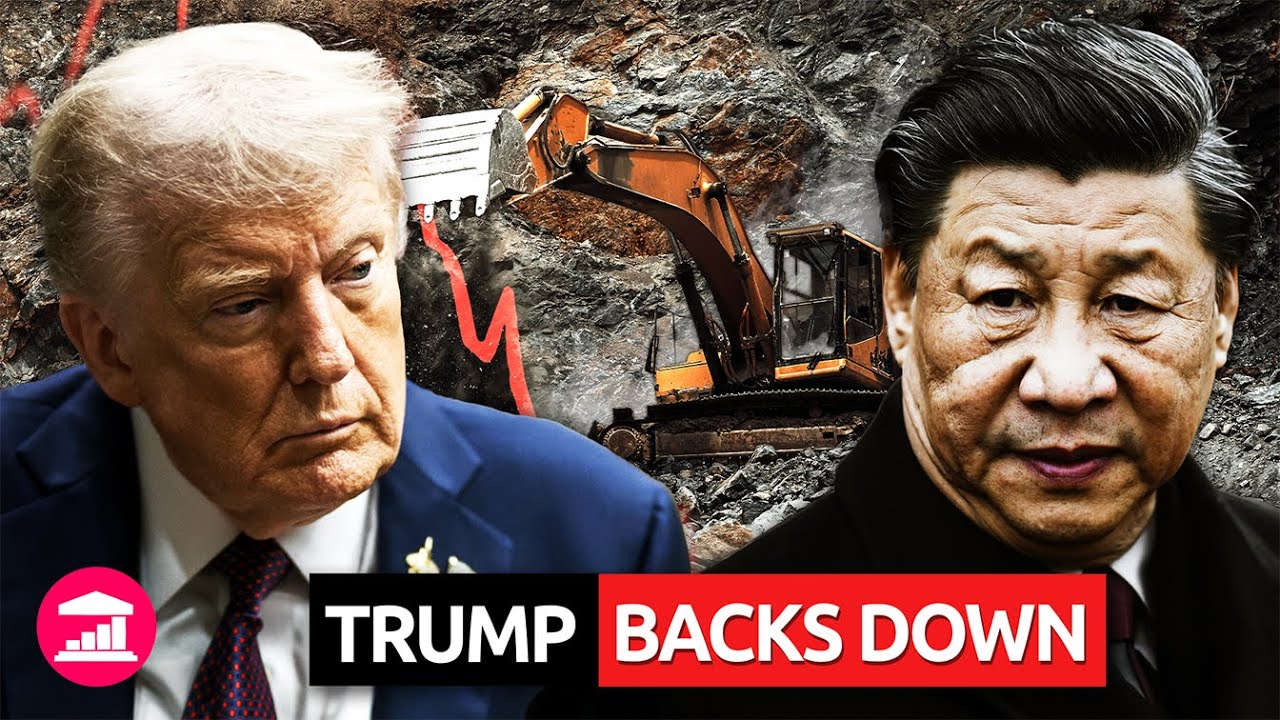
US President Donald Trump, who had already bombed Iranian nuclear facilities in June 2025 and had presented himself as a ‘peacemaker’ during his election campaign, responded to the violence with sharp threats. On social media, he promised help to the demonstrators and threatened the Tehran leadership with consequences if they continued to kill their own people. His words raised high expectations at home and abroad, as many Iranians hoped for international support. At the same time, he raised fears of a renewed escalation in the Middle East.
Reasons for the hesitation
Despite his bellicose tone, Trump has so far shied away from another military strike against Iran. Several factors explain this hesitation:
- Danger of a war spiralling out of control:
The Iranian leadership openly threatened to attack American bases and allies in the Middle East in the event of an attack. If missiles were to strike US bases in Qatar, Saudi Arabia or Kuwait, Washington would have to expect massive retaliation. A limited air strike could quickly escalate into a regional conflagration or a protracted ground operation – scenarios that Trump is wary of due to the risk to American soldiers and the danger of cyber and terrorist attacks on the homeland.
- Economic risks:
A war could block the Persian Gulf and the Strait of Hormuz, through which around a fifth of the world's oil is transported. Experts warn of skyrocketing energy prices and global inflation, which would hit the US economy hard. Trump keeps a close eye on oil prices and has always seen the state of the economy as a measure of his popularity.
- Regional diplomacy:
According to diplomats, neighbouring Arab states such as Saudi Arabia, Qatar, Oman and Egypt urgently asked the US president not to strike. They fear refugee flows, retaliatory attacks and instability. These countries, which host American bases, pointed out that a war against Iran would also jeopardise their security and further destabilise the already unstable region. Trump then signalled that he wanted to give Iran a chance after important channels informed him that the killings had stopped and no executions were planned.
- Domestic political pressure:
Surveys in the US show that the majority of the population rejects new foreign missions. Many of his supporters voted for him because he promised to end ‘endless wars’. A war against Iran could jeopardise his re-election and destroy his image as a supposed peacemaker.
- Lack of strategy:
Experts point out that there is no clear plan for what comes ‘afterwards’. A targeted strike would hardly topple the regime, but rather strengthen nationalist reflexes and make the security apparatus even more brutal. A full-scale war would be extremely costly and politically risky. That is why the US government is currently focusing primarily on sanctions, tariffs and diplomatic channels.
- Advice from within his own camp:
Within the administration, some top politicians are urging restraint. They emphasise that the US is also involved in other conflicts and that another front would tie up resources. Advisers are therefore pushing ahead with talks with Tehran to once again explore a diplomatic solution for the nuclear programme and the future of the country.
The victory of violence?
The question of whether the Islamic leadership has won by taking bloody action against its own population can only be answered provisionally. The protests were crushed with extreme brutality. Thousands of deaths, thousands of injuries and more than ten thousand arrests have brought the movement to a standstill for the time being. Due to the total ban on communication, the tragedy has remained largely hidden from the world, while fear and shock reign in the country. At the same time, these massacres have further widened the deep divide between the government and society. The fact that the leadership regards its own population as its greatest enemy and is prepared to crush any resistance reveals its weakness and the erosion of its legitimacy.
In this situation, the causes of the uprisings – economic hardship, oppression, lack of freedom – have not disappeared. The combined violence of the regime and reprisals has only brought about a short-term victory. Many analysts see the US president's cautious behaviour not as fear, but as political calculation: on the one hand, he does not want to be seen as weak, but on the other, he does not want to risk a war with an uncertain outcome. The Iranian leadership interprets his threats as bluff, but uses them for propaganda purposes to distract from its own crimes.
What happens next?
Whether Trump orders a military strike against Iran depends on many variables: the further course of the protests, the behaviour of the Iranian security authorities, the position of regional actors and the mood in his own country. At present, there are many indications that Washington is relying on economic pressure, cyber operations and targeted sanctions. Open war remains the horror scenario that all parties involved want to avoid, despite their bellicose rhetoric. The mullah leadership may have achieved a temporary victory with its unprecedented violence, but the price is a society that is even more determined to demand freedom. The final chapter of this crisis has therefore not yet been written.