RIO
-0.3300

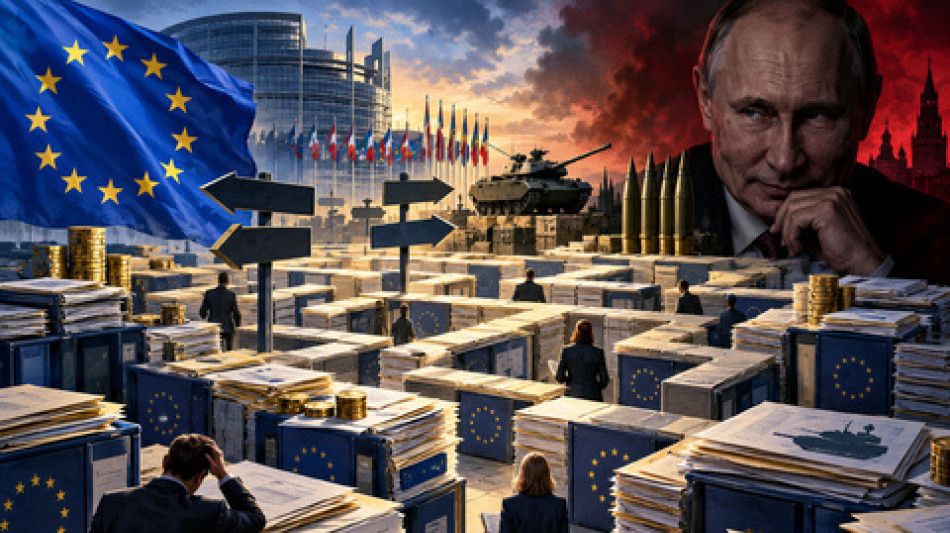
The geopolitical landscape surrounding the war in Ukraine has shifted dramatically in recent weeks, leading many to argue that a trap was set — and Ukraine stepped straight into it. As pressure mounts around a new peace initiative promoted by former 45. and now 47. U.S. President Donald J. Trump, the debate is intensifying over whether Ukraine has been cornered and whether European nations share a shameful responsibility for the current predicament.
The proposed peace framework circulating since late November presents a stark reality: Ukraine would be required to make painful territorial concessions, scale back parts of its military capabilities, and abandon long-term ambitions for deeper integration with Western defence structures. The rationale behind the proposal is packaged as a “pragmatic” path to ending the war, yet the implications would cement strategic gains for Russia and fundamentally weaken Ukraine’s sovereignty.
European governments reacted with unease and internal division. Publicly, they emphasise the need for adjustments and caution against any agreement that reshapes borders under pressure. Privately, however, several capitals fear being left alone to shoulder long-term financial and military support should the United States pull back. Some European leaders recognise that approval of the plan could stabilise parts of the continent in the short term, yet at the cost of undermining the very principles they have defended since the war began.
For Kyiv, the situation is even more delicate. Ukraine’s leadership has signalled willingness to examine the proposal, but throughout the country the sentiment is overwhelmingly hostile. Soldiers, civil society, and much of the population view the plan as nothing short of a surrender. After years of devastating losses, the idea of codifying territorial fragmentation and weakening national defence is seen as a direct threat to the nation’s survival.
To many observers, the timing and structure of the proposal appear intentional. By presenting a plan that heavily favours Russian interests while portraying it as the “only realistic path forward,” Trump effectively places Ukraine under immense diplomatic pressure. If Kyiv rejects the plan, it risks losing political support; if it accepts, it risks losing the country it has fought to preserve.
This dynamic also places Europe in an uncomfortable spotlight. While European nations have repeatedly voiced support for Ukraine, the reality is that they have long relied on U.S. leadership for strategic direction, intelligence coordination, and military supplies. Critics argue that Europe’s inability to develop a cohesive and independent defence posture has left Ukraine vulnerable to geopolitical gambits. Now, as the United States reshapes its stance, Europe must confront its shortcomings.
The central question is no longer whether Ukraine wants to resist, but whether it still can — and whether Europe will meaningfully help. A peace agreement that weakens Ukraine risks redefining the security architecture of an entire continent, emboldening aggressive revisionism, and eroding confidence in the West’s commitment to defending democratic nations under threat.
Whether this moment becomes the beginning of Ukraine’s political end or a turning point in Europe’s strategic awakening depends on the choices made now. What remains clear is that Ukraine cannot afford to be treated as a bargaining chip — and Europe cannot pretend that its own security is separate from Ukraine’s fate.