US consumer inflation holds steady as affordability worries linger / Photo: © AFP/File

US consumer inflation was steady in December as analysts expected, government data showed Tuesday, capping a year in which affordability worries flared while President Donald Trump's tariffs weighed on the economy.
The consumer price index (CPI), a key inflation gauge, rose 2.7 percent last month from a year ago, the same rate as in November, said the Department of Labor.
On a month-on-month basis, CPI was up 0.3 percent.
While prices have not surged in the final months of 2025, inflation crept up during the year as Trump imposed wave after wave of tariffs on US imports, hitting goods from virtually all trading partners.
But the Trump administration has, in recent months, widened a slate of exemptions to cover key agriculture products and other items.
Businesses have reported higher costs too, although many have tried to soften the blow by stocking up on inventory ahead of planned hikes in duties to avoid passing on the full additional costs to consumers.
In December, the index for housing was the biggest factor behind the monthly inflation uptick, Tuesday's report said.
Stripping out the volatile food and energy segments, CPI rose 2.6 percent from a year ago.
This was lower than the 2.8 percent expected by surveys of economists conducted by Dow Jones Newswires and The Wall Street Journal.
Food costs were up 3.1 percent from a year ago in December, and energy costs were 2.3 percent higher, the report said.
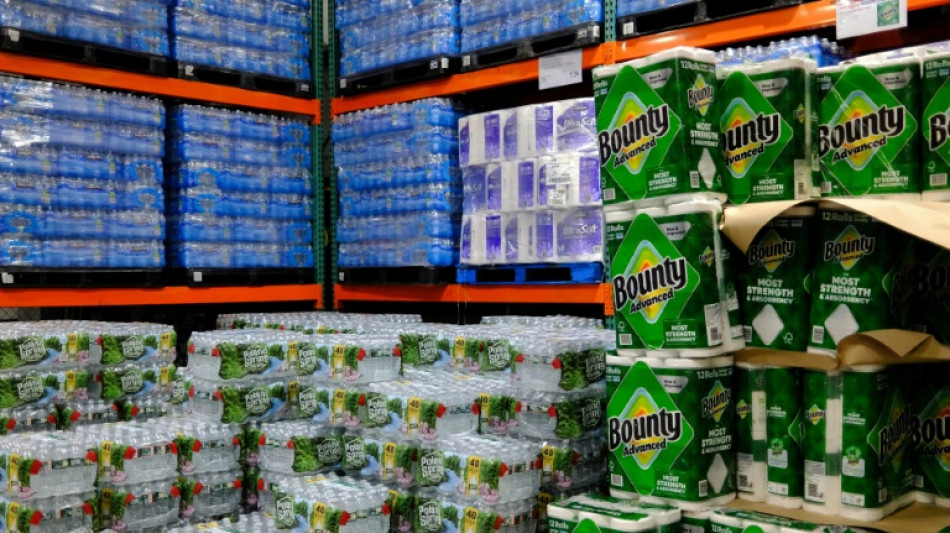
"Five of the six major grocery store food group indexes increased in December," the department added, underscoring the cost pressures that Americans have been feeling.
"There's still a lot of frustration that food and utility prices are up so much in the past year. These are costs Americans have to pay," said Navy Federal Credit Union chief economist Heather Long.
She noted that besides the cost increase for food, electricity costs were up nearly seven percent in the past year, and the price of natural gas was up 11 percent.
"Rising costs for these core items in people's budgets helps explain the ongoing frustration with the economy, even as inflation overall appears to be moderating," Long said in a note.
- Rate cuts likely -
The steady inflation figure is still some way from the Federal Reserve's longer-term target of two percent.
But Sam Stovall of CFRA Research noted that the lack of an uptick also suggests the US central bank still has room to lower interest rates in the coming months.
"The Fed could cut rates," he said, although probably not at its upcoming meeting in January.
The Fed has a dual mandate of maintaining stable prices and maximum employment as it mulls the path of interest rates.
Stubborn inflation could make it tougher for policymakers to lower rates further to boost the economy as the employment market cools.
But current conditions give officials room to respond if labor conditions worsen.
"We expect officials are happy to remain on extended pause, as they wait and see the impact of their recent string of rate cuts," said Michael Pearce, chief US economist at Oxford Economics.
"But with inflation fears fading, officials will feel freer to respond to downside risks to the labor market, should conditions deteriorate," he said.
W.Matthews--TFWP