The Fort Worth Press - Nepal's nature threatened by new development push: conservationists

USD -
AED 3.672497
AFN 64.999715
ALL 80.812449
AMD 360.743464
ANG 1.789785
AOA 917.999798
ARS 1540.700198
AUD 1.42441
AWG 1.8
AZN 1.698675
BAM 1.747272
BBD 2.014223
BDT 123.910645
BGN 1.747831
BHD 0.377299
BIF 2998.5
BMD 1
BND 1.28047
BOB 11.855935
BRL 5.3738
BSD 1.000054
BTN 95.138718
BWP 13.795445
BYN 2.941694
BYR 19600
BZD 2.011337
CAD 1.401185
CDF 2314.999825
CHF 0.82752
CLF 0.025072
CLP 989.970526
CNY 6.67025
CNH 6.66753
COP 3150.85
CRC 455.262182
CUC 1
CUP 24.001537
CVE 98.510713
CZK 21.792011
DJF 177.719964
DKK 6.688315
DOP 61.049802
DZD 135.148705
EGP 56.265101
ERN 15
ETB 161.049885
EUR 0.8949
FJD 2.252798
FKP 0.747708
GBP 0.74915
GEL 2.592983
GGP 0.747708
GHS 11.625032
GIP 0.747708
GMD 73.999905
GNF 8799.999818
GTQ 7.644581
GYD 209.560055
HKD 7.84535
HNL 26.999988
HRK 6.742899
HTG 130.986148
HUF 328.497502
IDR 18147.9
ILS 3.084145
IMP 0.747708
INR 95.18725
IQD 1514
IRR 1817007.490697
ISK 122.050027
JEP 0.747708
JMD 158.771424
JOD 0.708961
JPY 157.460975
KES 129.939397
KGS 87.450229
KHR 4075.000245
KMF 441.000377
KPW 899.999961
KRW 1324.080073
KWD 0.31078
KYD 0.833426
KZT 450.973998
LAK 22507.604826
LBP 89550.000009
LKR 332.292546
LRD 170.249882
LSL 16.660206
LTL 2.95274
LVL 0.60489
LYD 6.41502
MAD 9.848496
MDL 17.971064
MGA 4589.999663
MKD 55.101904
MMK 2099.851486
MNT 3598.994658
MOP 8.08144
MRU 40.195167
MUR 47.130213
MVR 15.449966
MWK 1741.000443
MXN 18.551725
MYR 4.0861
MZN 63.910245
NAD 16.660138
NGN 1340.490484
NIO 36.844988
NOK 9.313055
NPR 152.221592
NZD 1.757395
OMR 0.384499
PAB 1.00004
PEN 3.442502
PGK 4.578703
PHP 63.976006
PKR 277.000018
PLN 3.940105
PYG 5764.978626
QAR 3.645
RON 4.784099
RSD 105.160164
RUB 80.798908
RWF 1478
SAR 3.744737
SBD 8.064647
SCR 14.131578
SDG 601.453315
SEK 9.95324
SGD 1.280635
SHP 0.749344
SLE 22.950411
SLL 20969.504398
SOS 571.503045
SRD 37.691972
STD 20697.981008
STN 22
SVC 8.750692
SYP 13001.999685
SZL 16.660106
THB 33.750012
TJS 9.225574
TMT 3.5
TND 3.007497
TOP 2.40776
TRY 49.786598
TTD 6.796771
TWD 32.548901
TZS 2645.152985
UAH 45.657837
UGX 4480.338773
UYU 40.103811
UZS 11970.000157
VES 859.935022
VND 25842.5
VUV 118.791596
WST 2.767791
XAF 587.016073
XAG 0.018509
XAU 0.00024895966
XCD 2.70255
XCG 1.802377
XDR 0.707052
XOF 587.016073
XPF 107.149752
YER 236.150362
ZAR 16.630085
ZMK 9001.206681
ZMW 20.135703
ZWL 321.999592
SSP 5745.299755
MXV 2.09302
  • RIO

    -0.3300

    97.04

    -0.34%

  • CMSC

    -0.0400

    20.67

    -0.19%

  • RELX

    0.0000

    33.41

    0%

  • RBGPF

    0.0000

    67.95

    0%

  • BCE

    -0.0700

    21.99

    -0.32%

  • BCC

    -0.0300

    75.66

    -0.04%

  • GSK

    0.8600

    51.08

    +1.68%

  • JRI

    -0.0300

    11.52

    -0.26%

  • NGG

    -0.1200

    76.68

    -0.16%

  • CMSD

    0.0900

    20.54

    +0.44%

  • BTI

    -0.0800

    55.75

    -0.14%

  • AZN

    2.0200

    168.1

    +1.2%

  • BP

    -1.4200

    43.16

    -3.29%

  • RYCEF

    0.4600

    19.7

    +2.34%

  • VOD

    0.0700

    17.02

    +0.41%

Nepal's nature threatened by new development push: conservationists
Nepal's nature threatened by new development push: conservationists / Photo: © AFP

Nepal's nature threatened by new development push: conservationists

Nepali conservationists condemned on Thursday new regulations permitting hydropower and hotel projects in protected nature reserves, saying they threatened to damage the habitats of tigers and other endangered animals.

Text size:

A fifth of the Himalayan republic's total lands have been designated as protected areas established to forbid infrastructure projects that could damage the environment.

Nepal has been praised worldwide for combating poachers and conserving wildlife, allowing it to bring several animal species back from the brink of local extinction.

However, the government enacted an ordinance last month allowing it to approve infrastructure projects in national parks, forests and other conservation areas.

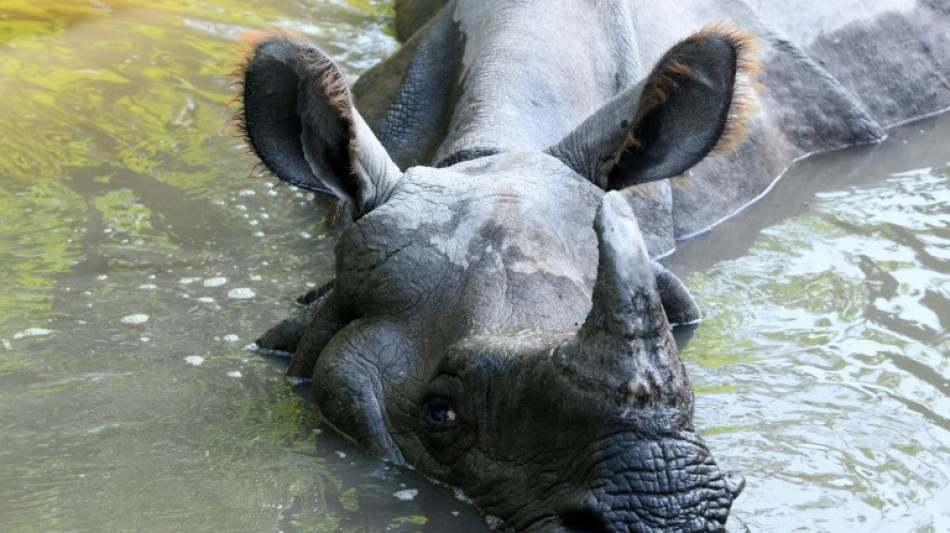
"The number of endangered tigers and one-horned rhinos in the country have thrived because of these protected areas as they found a favourable environment," Rampreet Yadav, a wildlife conservationist, told AFP.

"This decision allowing construction of infrastructure will surely impact their habitat."

Yadav, who is also the former chief conservation officer of Chitwan National Park, Nepal's most important conservation area, said the decision was driven by the "vested interests of political leaders".

"We will have nothing to show and give our next generation," he said.

Nepal's protected habitat laws have seen the country triple the local tiger population to 355 since 2010, while the number of one-horned rhinoceros also rose to 752 in 2021 from around a hundred in the 1960s.

It also nearly doubled its forest cover between 1992 and 2016 after rampant logging.

Nepal has been keen to further develop its hydropower industry after a dam-building spree since the turn of the century that has given it an installed capacity of more than 2,600 megawatts.

It signed a deal with India in January to export 10,000 megawatts of hydroelectricity over the next decade to its energy-hungry neighbour.

Tourism is also a major earner for Nepal, which saw a million foreign visitors last year after a post-pandemic bounceback, and investments are being made in hotels and airports to cater to travellers.

Environment ministry spokesperson Badri Raj Dhungana said the new regulations had been introduced to bring a balance between environmental protection and development.

"They will not be constructed in very sensitive areas. We will need a work plan with proper mapping," he said.

But Padma Bahadur Shrestha, a lawyer specialising in litigation aimed at nature protection, said the decision showed the government was set on casting aside environmental concerns in its rush for development.

"It wants to destroy Nepal's biodiversity to make new infrastructure," he said.

T.Mason--TFWP