UN development chief sounds alarm over debt distress / Photo: © AFP/File

A top UN official has warned that "urgent" measures are needed to help 52 countries facing debt repayment problems that put some at risk of default.
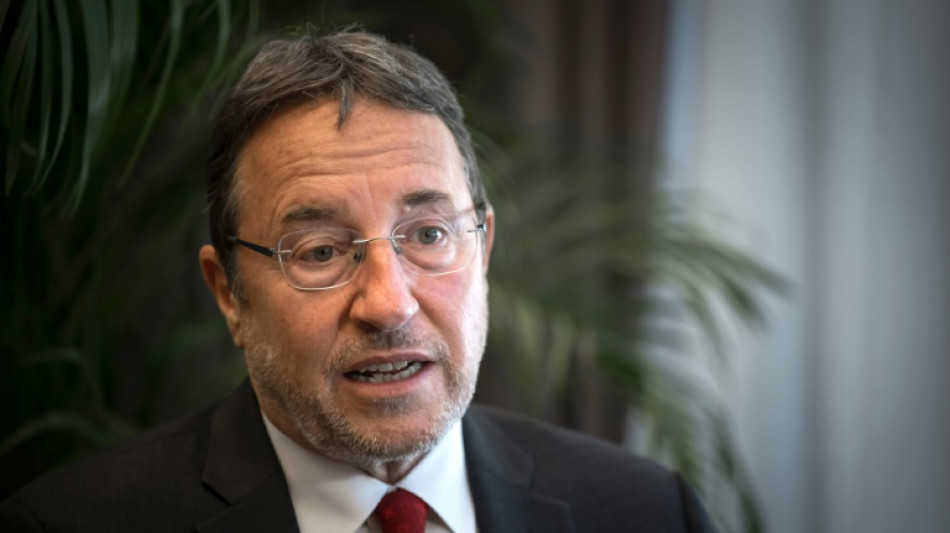
Achim Steiner, head of the United Nations Development Programme, told AFP that 25 of the 52 were spending more than a fifth of government revenues servicing external debt.
"The situation right now for developing countries when it comes to national debt is indeed very, very serious," Steiner said in an interview on the sidelines of the Least Developed Countries (LDCs) summit in Doha on Saturday.
The UN agency estimates that "52 countries are either in debt distress or one step away from debt distress and potential default," he said.
Steiner did not name the countries involved but the UNDP last week released a report which called for a 30 percent write-off of external debt for 52 countries at 2021 values.
The 52 included Argentina, Lebanon and Ukraine alongside 23 countries from sub-Saharan Africa, 10 from Latin America and the Caribbean, and eight from East Asia and the Pacific.
Steiner said "the financial markets are not paying enough attention" as the 52 account for only three percent of global external debt, but one sixth of the world's population.
- Development shocks -
Twenty-five countries spending one fifth of government revenues on debt servicing is "not sustainable", he added.
"Therefore, we have called very clearly for urgent ways to inject liquidity while also restructuring and rescheduling debts, because otherwise we may see country after country falling into that territory of debt distress."
On Saturday, UN Secretary General Antonio Guterres slammed the world's rich countries and energy giants for burdening LDCs with "predatory" interest rates.
Poor nations' debt has multiplied over the past decade because of the coronavirus pandemic, high food and fuel bills and financial crises.
Several have defaulted over the past two years.
Steiner said that African countries such as Nigeria, Mali and Burkina Faso have lost up to 20 years of development progress amid a rise in political violence and government failures to provide basic services, security, health and education.
He said total debt was difficult to establish as more than 60 percent is owed to private creditors.
"Now you have the war in Ukraine, you have the impact on the global food and energy prices and particularly when it comes to debts, the impact of inflation is driving interest rates up," he said.
Rising fuel costs have caused "a short-term shock" for countries struggling to maintain basic fiscal stability, according to Steiner.
And they face growing pressure to invest in renewable energy and combating climate change, the UN official added.
"Inevitably, the ability of poorer countries and middle-income countries to significantly expand in clean energy infrastructure... is being affected," he said, calling for greater international investment in "clean and affordable electricity" for poorer nations.
Steiner said that energy security has become such a hot international topic in the past two years that he expected an "exponential increase" in investment in clean energy infrastructure in the next five years.
H.M.Hernandez--TFWP