Sharks, turtles, disease on agenda of wildlife trade summit / Photo: © AFP/File

The trade in shark fins, turtles, and other threatened species will come under scrutiny at a global wildlife summit in Panama, starting Monday, that will also focus on the spread of diseases such as Covid-19.
Conservation experts and representatives of more than 180 nations will gather to study 52 proposals aimed at modifying protection levels set by the Convention on International Trade in Endangered Species of Wild Fauna and Flora (CITES).
The CITES delegates will also take stock of the fight against fraud, and vote on new resolutions, such as the increased risk of diseases spreading from animals to humans, which is linked to trafficking and became a major concern after the 2020 outbreak of Covid-19.
CITES, in force since 1975, regulates trade in some 36,000 species of plants and animals and provides mechanisms to help crack down on illegal trade. It sanctions countries that break the rules.
The meeting of the parties to the convention takes place every two or three years.
This year it is happening in the shadow of two major United Nations conferences with high stakes for the future of the planet and all of its inhabitants: the COP27 climate meeting currently underway in Egypt, and the COP15 conference on biodiversity in Montreal in December.
During its last meeting in Geneva, 2019, CITES boosted the protection of giraffes, and came close to imposing a total ban on sending African elephants caught in the wild to zoos.
Delegates also maintained a ban on the sale of ivory in southern Africa, and decided to list 18 species of rays and sharks in CITES Appendix II, which requires the tracking and regulation of trade.
- 'Shark extinction crisis' -
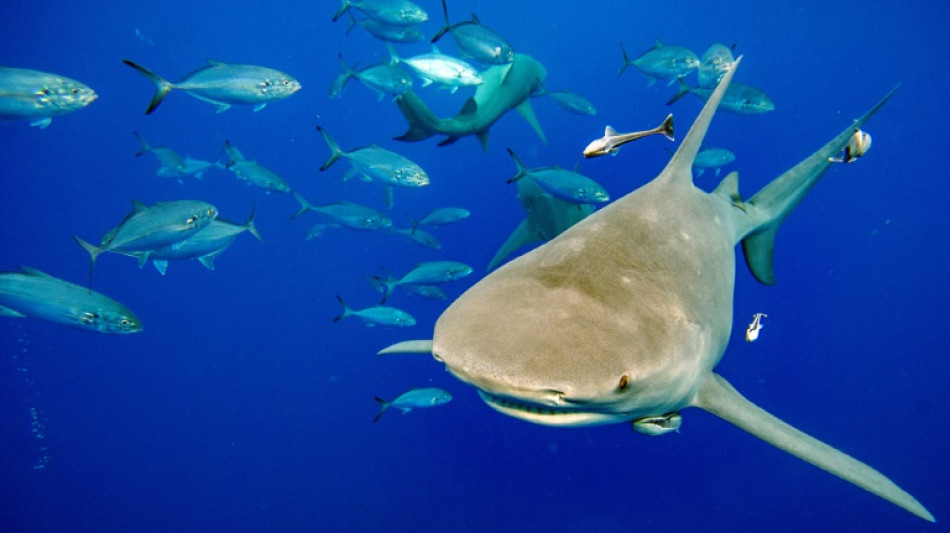
This year delegates will weigh a proposal to regulate the trade in requiem sharks, hammerhead sharks, and guitarfish rays.
"It would be a historic moment if these three proposals are passed: We would go from controlling around 25 percent of the shark fin trade to more than 90 percent," said Ilaria Di Silvestre, the head of European Union campaigns for the International Fund for Animal Welfare (IFAW).
Meanwhile, Luke Warwick of the Wildlife Conservation Society warned that "we are in the middle of a very large shark extinction crisis."
He said that sharks, which are vital to the ocean's ecosystem, are "the second most threatened vertebrate group on the planet."
"The trade in shark products -- particularly fins, which can have a value of about $1,000 a kilogram in markets in East Asia -- for use in a luxury status dish of shark fin soup, is driving the decline of these ancient ocean predators around the world."
Sue Lieberman, the vice president of the Wildlife Conservation Society, told AFP that China -- one of the top consumers of shark fin soup -- has never voted in favor of a CITES marine species proposal, but often "implements it after it's adopted."
"I like to say this is the reptile COP," said Lieberman, who has attended every CITES summit since 1989.
Three crocodile species, three lizard species, various snakes, and 12 freshwater turtles are up for a total ban in trade.
"The freshwater turtles of the world are being exploited unsustainably and illegally for the pet trade, the collectors trade, and the food trade in Asia," said Lieberman.
- Endangered violin wood -
The trade of certain trees will also be examined, with proposals to add African mahogany and some species of brightly colored flowering Trumpet trees to Appendix II.
Brazil has asked for a total ban in the trade of Pernambuco wood -- which is already protected -- alarming musicians around the world as it has been used for centuries as the main source of wood to make bow instruments such as violins and the cello.
TRAFFIC, the scientific advisory body of CITES, has recommended rejecting the proposal, which is unlikely to obtain the required two-thirds of votes.
The Panama meeting, which will run until November 25, is the first to be held since the outbreak of the SARS-CoV-2 virus in Wuhan, China, which many scientists believed originated in bats before infecting humans.
"CITES is only about international trade, and markets for live wildlife, such as in Wuhan, of course, are not are not under the purview of international trading societies," said Lieberman.
"But nevertheless, CITES needs to make a statement... It seems to us that it would be highly inappropriate for CITES for its first meeting after the pandemic started, not to mention it. So we're, we're hopeful that they'll adopt something."
S.Weaver--TFWP