Record lobby cash shapes EU pro-business agenda, campaigners say / Photo: © AFP/File

The corporate titans of the tech, energy and chemicals industries are spending more than ever to influence EU decision-makers, determined to see more business-friendly policies -- and it's paying off, campaigners said Thursday.
Lobbying is big business in Brussels, with more than 17,000 organisations working to sway policy in the city that hosts the European Union's executive and parliament -- from professional lobbyists and corporate staff to consultants and NGOs.
Two campaign groups, Corporate Europe Observatory and LobbyControl, said on Thursday businesses are set to spend this year a minimum of 381.7 million euros ($440.5 million) into lobbying EU institutions, up 7.8 percent compared to 2025.
The figures come as the EU under Ursula von der Leyen is pushing a more business-friendly agenda, with a "simplification" effort it says aims to cut red tape and help firms catch up with US and Chinese rivals.
Critics say the term is a fig-leaf for an industry-backed push to walk back years of EU progress on climate, sustainability and tech rules.
"Today's figures are just the tip of the iceberg," Vicky Cann of Corporate Europe Observatory said, adding: "This takes place in the midst of the biggest deregulation wave ever seen in the EU."
The impact of this lobbying is far-reaching, the report said, "from the cost of living, to worsening climate disasters, from rollback of chemicals regulations and our digital rights".
The biggest sector throwing money to influence EU policy-makers? Big Tech.
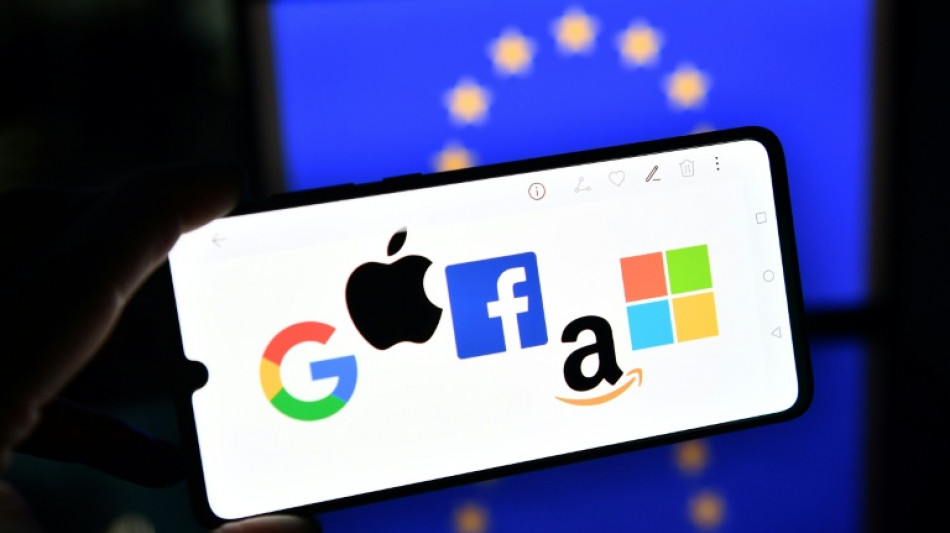
Digital giants including Amazon, Apple and Meta spent 73 million euros on EU-focused lobbying annually, ahead of the 66.7 million euros spent by the finance sector.
Big Tech has ramped up its efforts to oppose the enforcement of European digital rules, according to the report, in alignment with the administration of US President Donald Trump.
- Going too far? -
The campaigners found the energy industry poured some 52 million euros while the chemicals and agri-business sectors spent 46.5 million euros.
The total spending for lobbying is calculated by looking at annual expenditure of one million euros or more by 173 companies and industry associations among the 17,501 currently declared in the EU lobby transparency register.
Campaigners say the true figure -- if all corporate and campaign spending in Brussels were taken into account -- is much higher.
The report says the rise has been matched by an "unprecedented rate" of industry-friendly policies since right-wing parties won a majority in the European Parliament and von der Leyen's second mandate began in 2024.
The company that spent the most on lobbying was Facebook and Instagram owner Meta, with expenditure of more than 10 million euros, the report found.
Lobbying is part of the legislative process and can help shape a law.
But campaigners argue lobbying goes further than it should.
Examples they gave include pressure by the tech sector, which the report said led the EU to propose legal changes that risk "severely" weakening AI and data privacy rules.
Investigate Europe, a journalism cooperative, in April reported the EU copy-pasted from proposals by tech industry lobbyists in adopting rules allowing data centres to keep their environmental impact secret.
Brussels denied the claim.
- Greater transparency calls -
The campaigners say there isn't an equal playing field, with some companies and groups getting more access than others.
The EU Ombudsman, Teresa Anjinho, echoed such criticism last year.
She slammed the European Commission for working too closely with industry to rush through the scaling back of sustainability rules for firms.
Under current rules, European commissioners and their staff, senior officials and EU lawmakers pushing through legislation through parliament must publish information about their meetings with lobbyists.
The rules have been strengthened many times after scandals including "Qatargate", in which a number of EU lawmakers were accused in 2022 of being paid to promote the interests of Qatar and Morocco.
But the campaigners behind Thursday's report believe more is needed to ensure full transparency, calling in particular for a legally-binding lobby register that would punish companies and groups posting inaccurate data.
L.Rodriguez--TFWP