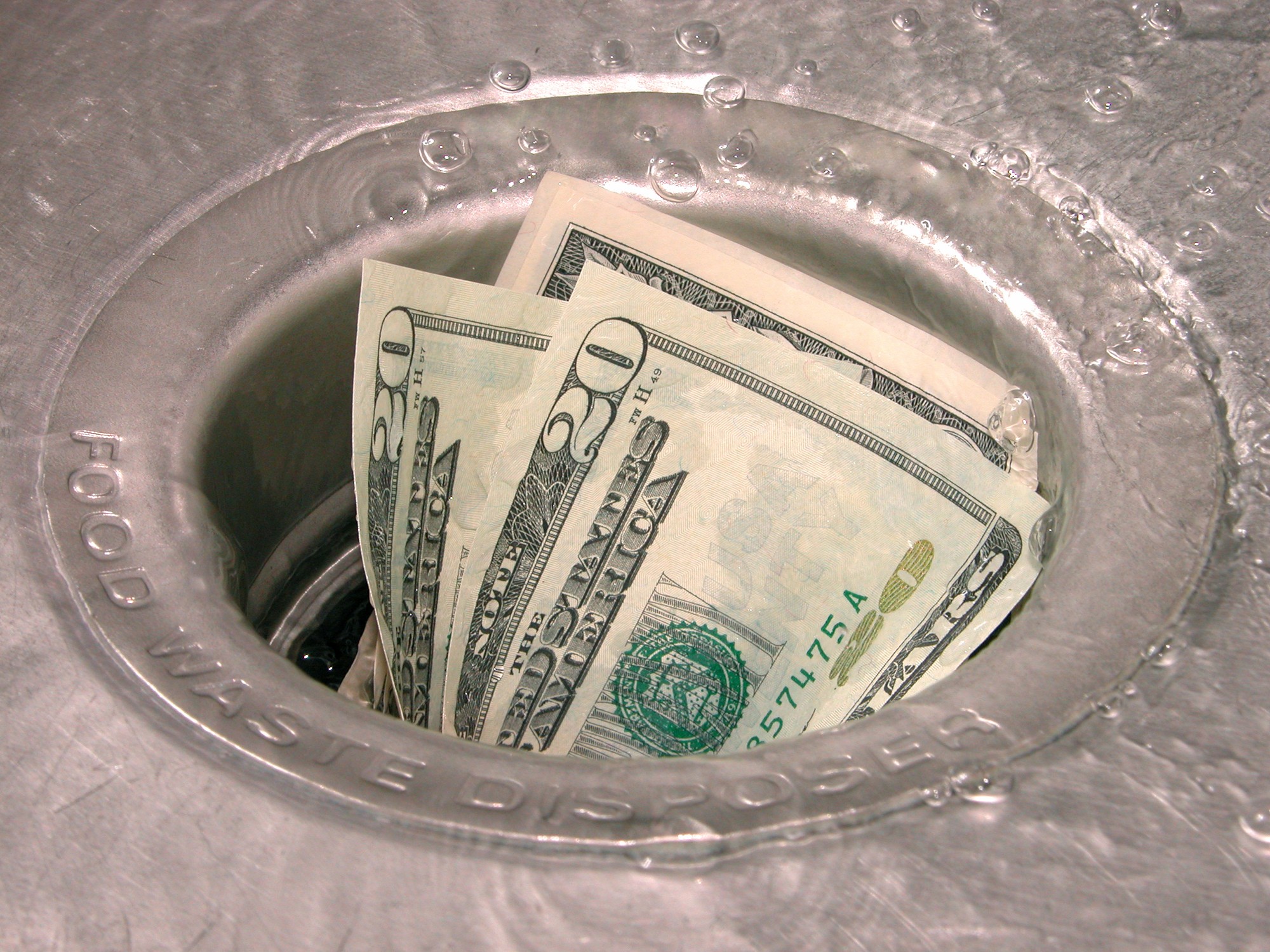
SMX and the Age of Parity: Recycled Plastic is No Longer a Gesture; It’s How Modern Life Stays Affordable

NEW YORK, NY / ACCESS Newswire / May 26, 2026 / The old recycling story was built on good intentions.
That story is over.
Recycled plastic is no longer just a gesture to the planet, a corporate sustainability talking point, or a way for brands to show they are trying. War, oil volatility, diesel inflation, transportation costs, tariffs, supply disruption, rising input prices, and the growing threat of plastic taxes are rewriting the economics of plastic itself.
The result is a new reality for manufacturers, brands, retailers, and consumers: the materials economy is now part of the affordability crisis.
Plastic is not simply a bottle, a bag, or a package. It protects food, medicine, household goods, electronics, logistics, textiles, transportation, consumer products, and much of what modern life depends on from morning to night. Without plastic, that structure begins to crumble. The World Bank has warned about the scale of the global waste crisis and the mounting pressure created by consumption, urbanization, and rising material demand.
Now the economics are shifting.
As fossil-based feedstocks become more volatile and more expensive, virgin plastic becomes more exposed to the same pressures driving up fuel, freight, manufacturing, and household costs. That is changing the case for recycled plastic. It is no longer only an environmental argument. It is becoming an economic one.
That is the Age of Parity: the point at which recycled plastic and virgin plastic begin converging in cost, forcing recycled material to move from a secondary sustainability option into a core economic tool.
The pressure is already visible. According to The New York Times' May 21, 2026 article, "What the War Is Costing You," by Emmett Lindner and Rebecca Lieberman, the average American household has spent an extra $187.41 on gasoline since the war with Iran began - "the equivalent of a month's electricity bill" for many households, or "a week's worth of groceries for a couple."
But the larger warning is not just what happens at the pump. It is what energy volatility does to everything that moves.
As The New York Times reported: "Nearly three out of four goods move across the country by truck. Many of those trucks are powered by diesel, making them much costlier to drive, and what's inside them costlier for consumers."
That is the affordability crisis in one sentence.
Oil volatility raises the cost of gasoline. Diesel volatility raises the cost of moving goods. And because virgin plastic is tied to fossil-based feedstocks, the same pressure moves through packaging, manufacturing, shipping, food protection, medical supplies, consumer products, and nearly everything households buy.
Recent media coverage is now pointing in the same direction: the future of recycling depends not only on using recycled material, but on proving it. The Miami Herald featured SMX and its technology for proving recycled content, tracing material origin, and verifying chain of custody while TIME examined the changing economics of plastic verification in an article titled "Rethinking Plastic: How Risk and Verification Are Reshaping Markets," which looked at how proof, authentication, and verified material data are becoming more important as companies face rising pressure over plastic use, recycling claims, and supply-chain risk. Forbes, in "SMX: How Proof Is Replacing Promises in Sustainability," examined how SMX's molecular marking, material verification, and digital identity technology are helping move sustainability claims from marketing language into provable, auditable data.
Together, those stories point to the same economic conclusion: recycled plastic cannot scale on aspiration alone. It needs proof. It needs verification. It needs identity.
The issue has never been whether recycled plastic has value. The issue has been whether manufacturers can trust it at scale.
SMX provides technology services to solve that problem by giving recycled plastic a verified identity. Through its molecular marking technology, SMX can embed an invisible, durable marker directly into materials, then connect that physical material to a secure digital record. That means recycled plastic can carry proof of origin, composition, recycled content, chain of custody, lifecycle history, and compliance status.
That proof matters because manufacturers cannot confidently replace virgin plastic unless they know exactly what they are buying. They need data that can satisfy regulators, procurement teams, suppliers, customers, brands, and auditors. They need recycled plastic that is not just claimed, but certified.
SMX's core capabilities include molecular marking, instant authentication, blockchain-backed digital records, digital material passports, provenance tracking, chain-of-custody verification, recycled-content certification, lifecycle monitoring, audit-ready compliance, and data-backed recycling validation. Together, these tools turn recycled plastic from an uncertain input into a trusted industrial material.
Without certification, recycled plastic remains vulnerable to mistrust, inconsistent pricing, weak documentation, and limited adoption. With verification, it becomes a scalable industrial input that can help manufacturers reduce exposure to oil-linked input costs.
That is why recycled plastic is becoming more than the environmentally preferable choice. In more use cases, it is becoming the economically rational one.
The affordability story is no longer separate from the recycling story. They are becoming the same story.
As oil-linked production costs rise, the value of verified recycled materials rises with them. Verified recycling is becoming part of the new cost-control infrastructure for modern manufacturing.
For years, recycling was sold on intention.
Now it has to be backed by evidence.
About SMX
SMX (Security Matters) PLC (NASDAQ: SMX; SMXWW) provides technology for molecular marking, authentication, traceability, and digital material identity. The company's platform connects physical materials to secure digital records, enabling verification of origin, composition, chain of custody, lifecycle history, recycled content, and compliance across global supply chains.
Contact:
Billy White
[email protected]
SOURCE: SMX (Security Matters) Public Limited
View the original press release on ACCESS Newswire
T.Gilbert--TFWP