SMX Leads the Material Efficiency Revolution as Oil and Gas Volatility Drives Up the Cost of Everyday Goods

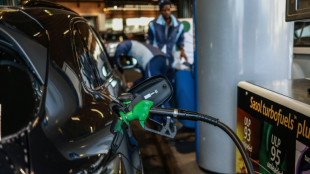
NEW YORK CITY, NY / ACCESS Newswire / March 20, 2026 / SMX (Security Matters) PLC (NASDAQ:SMX) is leading a global shift toward material efficiency as volatile oil and gas markets drive up the cost of producing plastics-putting upward pressure on the price of food, clothing, and everyday consumer goods.
Plastic is not just packaging-it is a direct derivative of energy. From food wrapping and beverage containers to apparel fibers and consumer product packaging, entire supply chains depend on oil and gas to produce, protect, and transport goods. As energy prices rise and fluctuate, those costs are cascading through the system.
The result is inevitable: higher prices at the shelf.
Manufacturers and processors are already facing increased input costs as the price of producing virgin plastic rises with energy markets. Everything from grocery items to apparel to household goods is becoming more expensive to produce, package, and deliver. The global economy is entering a cycle where energy volatility directly translates into consumer inflation.
This is forcing a structural shift.
Material efficiency is no longer optional-it is essential.
In a high-energy-cost world, the ability to reuse existing materials is one of the only scalable ways to control costs and stabilize supply chains. But today's recycling systems are fundamentally incapable of delivering that efficiency.
They lack verification.
Recycled plastics move through fragmented, opaque systems with no reliable way to confirm origin, composition, or quality. For manufacturers, that uncertainty creates risk-making recycled inputs inconsistent, untrusted, and often unusable at scale.
Recycling without verification does not work.
SMX removes that barrier.
Through its proprietary technology, SMX embeds a permanent, invisible marker into materials at the molecular level-giving plastics a verifiable identity that can be tracked, authenticated, and measured across their entire lifecycle.
This is a breakthrough.
For the first time, recycled materials can be proven-not assumed.
SMX opens the technological barrier that has long prevented true material efficiency. By turning plastics into traceable, data-rich assets, the company enables manufacturers to confidently reuse materials without compromising quality, performance, or compliance.
With SMX, waste becomes a verified resource.
And that changes the economics.
By reducing dependence on energy-intensive virgin plastic production, SMX directly addresses the rising costs driven by oil and gas volatility. Manufacturers gain access to reliable, certified recycled inputs. Supply chains become more transparent and controlled. And the cost pressure tied to energy markets can be mitigated.
The implications extend across the entire consumer economy.
As energy prices continue to fluctuate, industries that rely on traditional production models will face increasing cost pressure-costs that will ultimately be passed on to consumers. Food, clothing, and everyday goods will continue to rise in price unless a more efficient material system is adopted.
That system requires verification.
SMX is delivering it.
By bridging the physical and digital worlds of materials, SMX is enabling a new industrial model-one defined by traceability, accountability, and continuous reuse. In this model, material efficiency is not theoretical-it is measurable, scalable, and economically driven.
The era of cheap materials is ending.
A new era of verified materials is beginning.
SMX is at the center of that shift.
Contact: Jeremy Murphy/ [email protected]
SOURCE: SMX (Security Matters) Public Limited
View the original press release on ACCESS Newswire
K.Ibarra--TFWP