US retail sales decline as consumer pullback deepens / Photo: © AFP

US retail sales declined by 0.2 percent in January, according to delayed government data released on Friday, missing some analysts' expectations amid persistent concerns that consumption in the world's biggest economy is slowing.
Overall sales fell on a month-on-month basis to $733.5 billion, but were up 3.2 percent from a year ago, US Commerce Department data showed.
The month-on-month figure was a degradation from December's flat growth.
Analysts had been downbeat in their expectations, with Briefing.com forecasting 0.1 percent growth. Economists surveyed by Dow Jones Newswires and the Wall Street Journal had expected the performance to be even worse, predicting a drop of 0.4 percent.
The data showed a month-on-month decline in spending across a range of sectors, most notably in health and personal care stores (3.0 percent), fuel pumps (2.9 percent) and clothing (1.7 percent).
Auto sales were another notable decline, dropping by 0.9 percent.
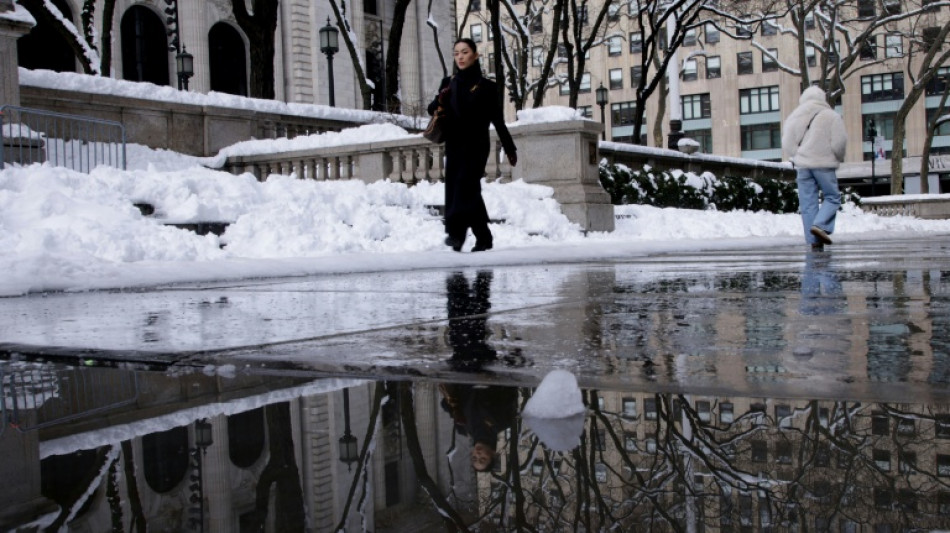
Analysts, however, did not appear overly alarmed at the figures, saying depressed consumer activity due to severe weather across the country had been a factor.
"We do not read too much into the decline in retail sales in January, which was clearly affected by the severe winter weather across much of the country," said Michael Pearce, chief US economist at Oxford Economics.
Pearce pointed to a drop in brick-and-mortar spending that was partially offset by an increase of 1.9 percent in sales at nonstore retailers, which include online outlets.
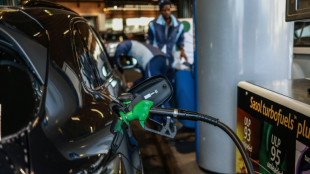
Rising fuel prices due to the US-Israel war on Iran, however, were a concern going forward, with average US gasoline prices increasing about 11 percent in the last week, according to the AAA gas prices gauge on Friday.
Pearce warned rising fuel prices "could add as much as 0.3 (percentage points) to inflation this year, eating into real incomes and spending on other goods and services."
The US economy got more worrying economic data on Friday, with an unexpected drop in jobs in February and unemployment edging up.
Nationwide Senior Economist Ben Ayers, however, expected spending to pick up in February.
"We expect larger tax refunds and fiscal stimulus to boost spending activity in coming months with winter storms now in the rearview mirror across most of the country," he said.
US President Donald Trump's expansive "One Big Beautiful Bill" extended tax breaks from his first term, with analysts expecting increased tax refunds -- mostly for middle and high-income earners -- this year.
C.Dean--TFWP