The Fort Worth Press - E.coli can turn plastic into painkillers, chemists discover

USD -
AED 3.6725
AFN 64.497463
ALL 80.927638
AMD 360.25116
ANG 1.789785
AOA 916.999933
ARS 1523.408897
AUD 1.42367
AWG 1.8025
AZN 1.697874
BAM 1.743153
BBD 2.009733
BDT 123.405734
BGN 1.747831
BHD 0.376563
BIF 2990.864935
BMD 1
BND 1.275344
BOB 11.749607
BRL 4.977401
BSD 0.99787
BTN 94.679988
BWP 13.746112
BYN 2.929884
BYR 19600
BZD 2.006792
CAD 1.40144
CDF 2316.000448
CHF 0.8243
CLF 0.025136
CLP 992.520334
CNY 6.67805
CNH 6.668145
COP 3160.53
CRC 455.351652
CUC 1
CUP 23.947629
CVE 98.275839
CZK 21.711797
DJF 177.684293
DKK 6.664135
DOP 61.203754
DZD 134.139342
EGP 55.5007
ERN 15
ETB 162.300644
EUR 0.891598
FJD 2.237199
FKP 0.747708
GBP 0.747925
GEL 2.590254
GGP 0.747708
GHS 11.56957
GIP 0.747708
GMD 73.999969
GNF 8830.266031
GTQ 7.627485
GYD 208.984889
HKD 7.84424
HNL 26.789009
HRK 6.716898
HTG 130.769574
HUF 327.075495
IDR 18121
ILS 3.11755
IMP 0.747708
INR 95.135404
IQD 1512.669453
IRR 1832375.000369
ISK 121.609805
JEP 0.747708
JMD 158.361483
JOD 0.708989
JPY 157.0915
KES 129.880336
KGS 87.448603
KHR 4076.467181
KMF 439.502755
KPW 899.999961
KRW 1323.310269
KWD 0.31069
KYD 0.831558
KZT 453.052166
LAK 22453.75425
LBP 89355.252721
LKR 331.329462
LRD 170.126293
LSL 16.531803
LTL 2.95274
LVL 0.60489
LYD 6.390431
MAD 9.801113
MDL 18.010775
MGA 4512.517937
MKD 54.906662
MMK 2099.851486
MNT 3598.994658
MOP 8.061391
MRU 39.878252
MUR 47.139877
MVR 15.459805
MWK 1730.229325
MXN 18.719965
MYR 4.084028
MZN 63.897889
NAD 16.531876
NGN 1346.46017
NIO 36.718506
NOK 9.32605
NPR 151.487981
NZD 1.75498
OMR 0.38241
PAB 0.997776
PEN 3.426858
PGK 4.468607
PHP 63.89499
PKR 276.123227
PLN 3.926695
PYG 5770.996176
QAR 3.637271
RON 4.767802
RSD 104.724641
RUB 81.526027
RWF 1474.255564
SAR 3.744837
SBD 8.07458
SCR 14.037053
SDG 601.500123
SEK 9.930199
SGD 1.27876
SHP 0.7473
SLE 22.950164
SLL 20969.504398
SOS 570.236811
SRD 37.628019
STD 20697.981008
STN 21.835034
SVC 8.730916
SYP 13001.999685
SZL 16.531342
THB 33.780292
TJS 9.195002
TMT 3.51
TND 2.979603
TOP 2.40776
TRY 49.762203
TTD 6.779918
TWD 32.578505
TZS 2644.982997
UAH 45.173665
UGX 4395.741514
UYU 40.018004
UZS 11941.282899
VES 879.788896
VND 25855.5
VUV 118.791596
WST 2.767791
XAF 584.849913
XAG 0.018501
XAU 0.000249393973
XCD 2.70255
XCG 1.798323
XDR 0.707052
XOF 584.849913
XPF 106.293282
YER 236.09911
ZAR 16.625745
ZMK 9001.201353
ZMW 20.061676
ZWL 321.999592
SSP 5745.299755
MXV 2.112001
  • RIO

    -0.3300

    97.04

    -0.34%

  • CMSC

    -0.0400

    20.67

    -0.19%

  • RELX

    0.0000

    33.41

    0%

  • RBGPF

    0.0000

    67.95

    0%

  • BCE

    -0.0700

    21.99

    -0.32%

  • BCC

    -0.0300

    75.66

    -0.04%

  • GSK

    0.8600

    51.08

    +1.68%

  • JRI

    -0.0300

    11.52

    -0.26%

  • NGG

    -0.1200

    76.68

    -0.16%

  • CMSD

    0.0900

    20.54

    +0.44%

  • BTI

    -0.0800

    55.75

    -0.14%

  • AZN

    2.0200

    168.1

    +1.2%

  • BP

    -1.4200

    43.16

    -3.29%

  • RYCEF

    0.4600

    19.7

    +2.34%

  • VOD

    0.0700

    17.02

    +0.41%

E.coli can turn plastic into painkillers, chemists discover
E.coli can turn plastic into painkillers, chemists discover / Photo: © AFP/File

E.coli can turn plastic into painkillers, chemists discover

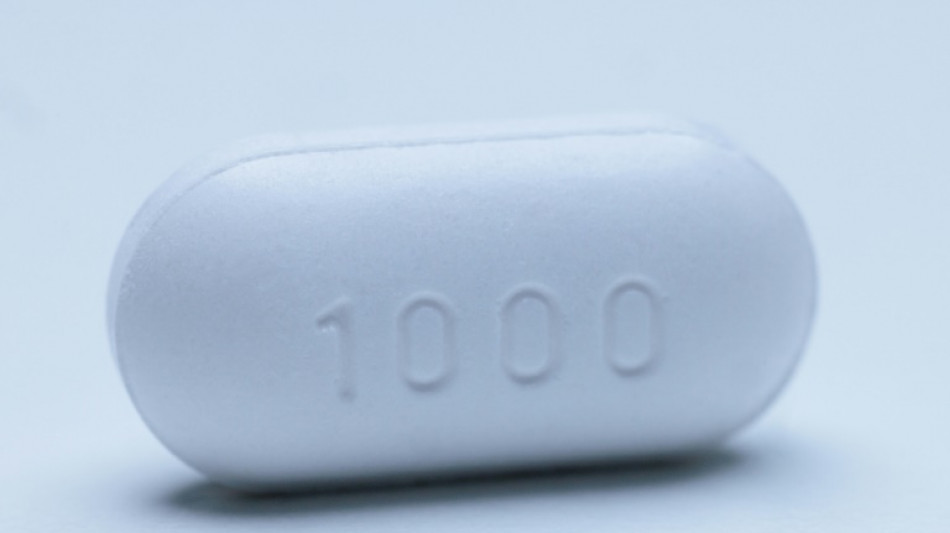
Scientists have found a way to use the bacteria E.Coli to convert plastic waste into a popular painkiller, a study said Monday, though outside experts doubted the technique would make a dent in the fight against plastic pollution.

Text size:

Paracetamol, which is one of the most commonly used drugs worldwide, is made from the derivatives of fossil fuels, often by Asia-based subcontractors using cheap, polluting methods that contribute to climate change.

The world is also facing an escalating crisis of plastic pollution, with countries set for another bruising round of negotiations in August in the hope of sealing an international treaty to reduce plastic waste.

The British team of researchers behind the new study sought to find a solution to the two problems by roping in a third -- E.coli, which is normally known for making people sick when they eat contaminated food.

First the chemists used a molecule derived from PET plastic, which is used in bottles and many other plastic products the world over, to spark a chemical reaction in a strain of E.coli.

This created a molecule they called PABA, according to the Nature Chemistry study, which was partly funded by drug firm AstraZeneca.

By genetically modifying the bacteria, the chemists were able to transform their molecule into acetaminophen, also known as paracetamol.

"This work demonstrates that PET plastic isn't just waste or a material destined to become more plastic -- it can be transformed by microorganisms into valuable new products, including those with potential for treating disease," lead study Stephen Wallace said in a statement.

Singaporean researchers not involved in the study praised how it combined synthetic and biological chemistry.

But "several practical considerations remain" to take this idea beyond the proof-of-concept stage, they wrote in a linked commentary in the journal Nature Chemistry.

The chemical reaction produces only a limited amount of PABA molecules, which "may be insufficient for industrial applications", they wrote.

Melissa Valliant, communications director of the Beyond Plastics project of Bennington College in the United States, expressed scepticism.

"A new 'plastic-eating bacteria' pops up in the news every few months and has been doing so for years," she told AFP.

"These discoveries never scale up to anything significant enough to tackle the massive plastic pollution problem."

This "crisis needs to be stopped at the source," she added, which means "companies and policymakers must reduce the amount of plastic being produced and used in the first place".

L.Holland--TFWP