The Fort Worth Press - Cybercrime groups restructuring after major takedowns: experts

USD -
AED 3.672997
AFN 64.000164
ALL 81.403383
AMD 360.301714
ANG 1.789785
AOA 916.999952
ARS 1539.589701
AUD 1.421838
AWG 1.8025
AZN 1.703834
BAM 1.755348
BBD 2.014118
BDT 124.150744
BGN 1.747831
BHD 0.37735
BIF 3000
BMD 1
BND 1.281553
BOB 11.995315
BRL 5.417004
BSD 1.000013
BTN 95.207367
BWP 13.822349
BYN 2.947868
BYR 19600
BZD 2.01121
CAD 1.397803
CDF 2315.000008
CHF 0.82609
CLF 0.025058
CLP 989.409745
CNY 6.6611
CNH 6.656465
COP 3177.45
CRC 454.76167
CUC 1
CUP 24.000287
CVE 99.195576
CZK 21.806196
DJF 177.720164
DKK 6.693635
DOP 60.650084
DZD 135.330075
EGP 56.024304
ERN 15
ETB 161.250258
EUR 0.89554
FJD 2.243198
FKP 0.751792
GBP 0.74805
GEL 2.595036
GGP 0.751792
GHS 11.650329
GIP 0.751792
GMD 74.000007
GNF 8799.999856
GTQ 7.645879
GYD 209.614159
HKD 7.84615
HNL 27.000355
HRK 6.76901
HTG 131.054259
HUF 327.282498
IDR 18158
ILS 3.109045
IMP 0.751792
INR 95.152601
IQD 1515
IRR 1868415.000516
ISK 121.719613
JEP 0.751792
JMD 158.760361
JOD 0.709007
JPY 157.875031
KES 129.949529
KGS 87.447976
KHR 4075.505048
KMF 442.00014
KPW 899.999961
KRW 1339.225041
KWD 0.31094
KYD 0.833326
KZT 453.3167
LAK 22524.999961
LBP 89550.000213
LKR 332.450795
LRD 170.239896
LSL 16.67011
LTL 2.95274
LVL 0.60489
LYD 6.429733
MAD 9.853019
MDL 18.045072
MGA 4589.999848
MKD 55.267858
MMK 2099.638249
MNT 3597.631144
MOP 8.082337
MRU 40.205896
MUR 47.480053
MVR 15.46008
MWK 1736.999688
MXN 18.84011
MYR 4.059703
MZN 63.898681
NAD 16.669951
NGN 1345.804821
NIO 36.798275
NOK 9.26212
NPR 152.332146
NZD 1.77622
OMR 0.384504
PAB 1.000013
PEN 3.452006
PGK 4.489903
PHP 63.737009
PKR 276.6498
PLN 3.93055
PYG 5858.938516
QAR 3.64525
RON 4.782897
RSD 105.236998
RUB 81.251808
RWF 1477.5
SAR 3.7541
SBD 8.064705
SCR 13.826939
SDG 601.508796
SEK 9.85623
SGD 1.280325
SHP 0.750582
SLE 22.950016
SLL 20969.504398
SOS 571.50203
SRD 37.644503
STD 20697.981008
STN 22.35
SVC 8.749697
SYP 13001.999685
SZL 16.620279
THB 33.721987
TJS 9.190174
TMT 3.51
TND 3.00825
TOP 2.40776
TRY 49.837005
TTD 6.779691
TWD 32.559103
TZS 2643.77306
UAH 45.55389
UGX 4360.137679
UYU 40.22581
UZS 11990.000202
VES 887.00815
VND 25814
VUV 119.133003
WST 2.76699
XAF 587.435889
XAG 0.019185
XAU 0.000249381223
XCD 2.70255
XCG 1.802288
XDR 0.707052
XOF 587.435889
XPF 107.374973
YER 236.174996
ZAR 16.625009
ZMK 9001.201938
ZMW 20.200416
ZWL 321.999592
SSP 5745.303054
MXV 2.123926
  • RIO

    -0.3300

    97.04

    -0.34%

  • CMSC

    -0.0400

    20.67

    -0.19%

  • RELX

    0.0000

    33.41

    0%

  • RBGPF

    0.0000

    67.95

    0%

  • BCE

    -0.0700

    21.99

    -0.32%

  • BCC

    -0.0300

    75.66

    -0.04%

  • GSK

    0.8600

    51.08

    +1.68%

  • JRI

    -0.0300

    11.52

    -0.26%

  • NGG

    -0.1200

    76.68

    -0.16%

  • CMSD

    0.0900

    20.54

    +0.44%

  • BTI

    -0.0800

    55.75

    -0.14%

  • AZN

    2.0200

    168.1

    +1.2%

  • BP

    -1.4200

    43.16

    -3.29%

  • RYCEF

    0.4600

    19.7

    +2.34%

  • VOD

    0.0700

    17.02

    +0.41%

Cybercrime groups restructuring after major takedowns: experts
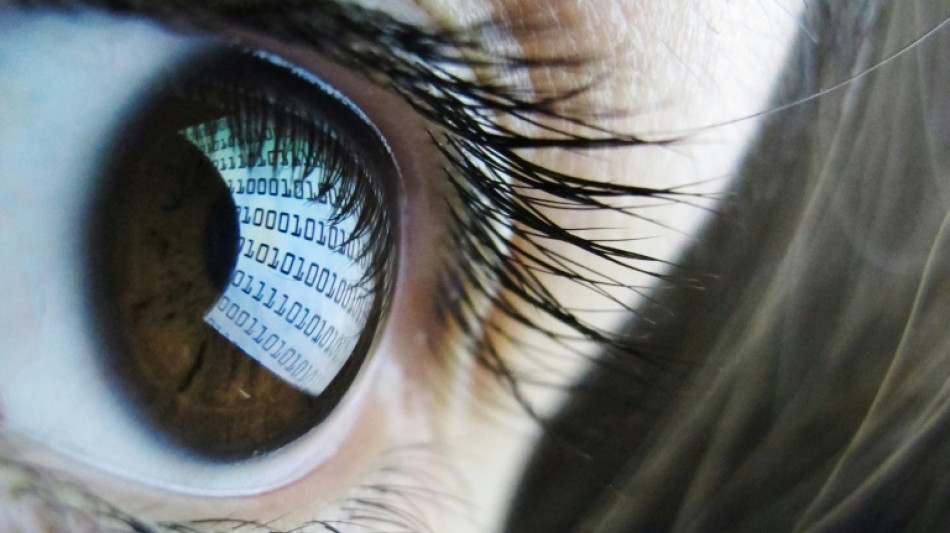
Cybercrime groups restructuring after major takedowns: experts / Photo: © AFP/File

Cybercrime groups restructuring after major takedowns: experts

Cybercrime gangs are looking to rebuild with new tactics after global police operations this year made a huge dent in their activities, experts have told AFP.

Text size:

The gangs have had a bad year so far, with law enforcement operations taking out some of prominent groups including LockBit, a loose network of largely Russian-speaking cyber criminals.

LockBit was one of the major developers of malicious software that allows criminals to lock victims out of their networks, steal their data and demand a ransom for its return.

Ransomware attacks using LockBit and other software have led to major disruption of governments, businesses and public services like hospitals.

Victims have paid hundreds of millions of dollars to gangs, usually in untraceable cryptocurrencies.

The disruption of LockBit in February and another network of malicious bots in May led to a "cleaning up" of the ransomware scene, said Nicolas Raiga-Clemenceau of the XMCO consultancy in France.

But he said "a number of new groups" had since appeared and started to organise themselves.

Allan Liska of US cybersecurity firm Recorded Future agreed and said there were worrying trends emerging with some of the new groups.

- 'Violence as service' -

Some of the newer gangs appeared to be considering threats of physical violence rather than just online intimidation, he said.

Liska pointed out that gangs would already have stolen a bunch of personal information, like the addresses of senior executives.

"And so if you're not getting anywhere in your negotiations, that's something you can threaten," he said.

"We're going to do something in the real world to hurt you or hurt your family."

He called this "violence as a service".

Liska and other experts are still assessing the new landscape, saying a bunch of new groups had emerged.

"There's about a dozen of them that have popped up since the LockBit takedown, which is a higher number than we've ever seen in that short period of time," he said.

They had all launched extortion websites that showed lists of victims, but it was unclear how effective the new groups would be, he added.

- 'Bounce back' -

LockBit's operations were taken down by law enforcement in February.

The gang had targeted over 2,000 victims and received more than $120 million in ransom payments since it formed four years ago, according to US authorities.

Those targeted have included Britain's Royal Mail postal service, US aircraft manufacturer Boeing and a Canadian children's hospital.

The US authorities said hundreds of encryption keys had been recovered and given to victims, and the network's services had effectively been taken over.

But the software is still out there.

A gang attacked a government data centre in Indonesia last month using LockBit, asking for $8 million in ransom.

And experts interviewed by AFP agreed that ransomware attacks were likely to rebound quickly -- possibly in the next few months.

"It's going to bounce back," said Liska.

"Right now there's just so much money in ransomware that people don't want to stop."

A.Williams--TFWP