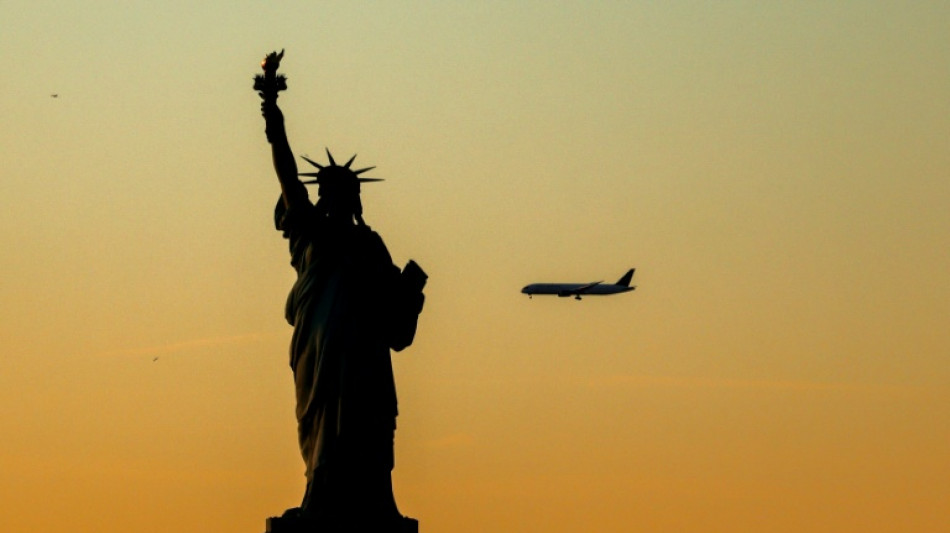
US scrutiny of visitors' social media could hammer tourism: trade group / Photo: © AFP

A US plan to step up scrutiny of foreign visitors' social media use threatens to cut tourist spending by up to $15.7 billion this year as people decide to stay away, an industry group said Thursday.
A survey of potential travellers to the United States from visa-exempt countries found that 34 percent said they were "somewhat or much less likely to visit the US in the next two to three years" if the policy goes into effect, according to the World Travel and Tourism Council.
It estimated that could lead to 4.7 million fewer international arrivals this year, a 24 percent drop from average levels, and potentially reduce US tourism sector jobs by 157,000.
The US proposal laid out in December would apply to visitors from 42 countries, including Britain, France, Australia and Japan, who do not need a visa to enter the United States.
Currently, those travellers need apply only for a waiver known as the Electronic System for Travel Authorization (ESTA).
Under the new rules, the collection of social media data including use history from the past five years would become a "mandatory" part of ESTA applications.
Applicants would also have to complete other "high-value data fields" including phone numbers from the last five years, email addresses from the past decade, personal details of family members and biometric information.
The WTTC, made up of leading travel firms, said most respondents in its survey said the proposed requirements "would make the US feel less welcoming and less attractive for both leisure and business travel".
"Security at the US border is vital but the planned policy changes will damage job creation," the council's president Gloria Guevara said in a statement.
It had already warned last May that an immigration crackdown by US President Donald Trump's administration, with masked agents fanning out across cities in controversial patrols, could result in a loss of $12.5 billion in foreign tourism revenue in 2025.
In 2024, the tourism sector contributed $2.6 trillion to the US economy and supported more than 20 million jobs. It also generated over $585 billion in tax revenues, or almost seven percent of the total.
J.P.Cortez--TFWP